 Eckhard Ranulf Walter
Cat 6 Ethernet Cable Wiring Diagram
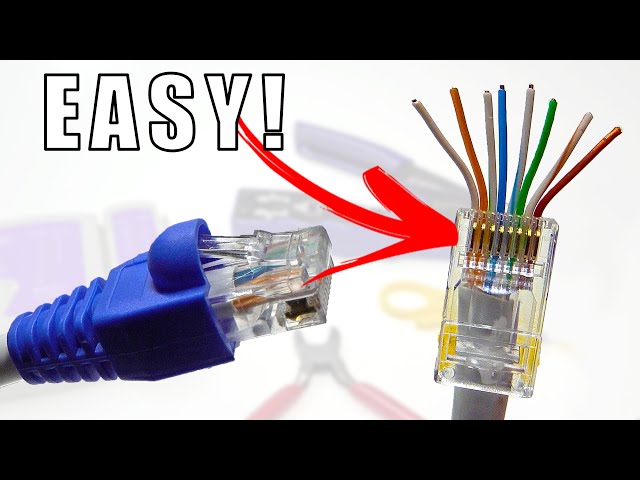
A Cat 6 Ethernet cable wiring diagram is a visual representation of the connections between the pins on a Cat 6 Ethernet cable. It is used to ensure that the cable is wired correctly and that the signals are transmitted properly. There are two main types of Cat 6 Ethernet cable wiring diagrams: T568A and T568B. Both diagrams use the same color code for the wires, but the order of the wires is different.
Here are the steps on how to create a Cat 6 Ethernet cable wiring diagram:
- Choose the type of wiring diagram you want to use (T568A or T568B).
- Draw a horizontal line to represent the cable.
- Draw eight vertical lines to represent the pins on the cable.
- Label the pins with the corresponding color code.
- Connect the pins according to the wiring diagram you chose.
Here are some examples of Cat 6 Ethernet cable wiring diagrams:
- T568A wiring diagram:
1 - White/Green2 - Green3 - White/Orange4 - Blue5 - White/Blue6 - Orange7 - White/Brown8 - Brown
- T568B wiring diagram:
1 - White/Orange2 - Orange3 - White/Green4 - Blue5 - White/Blue6 - Green7 - White/Brown8 - Brown
Benefits of using a Cat 6 Ethernet cable wiring diagram:
- Ensures that the cable is wired correctly.
- Helps to troubleshoot problems with the cable.
- Can be used to create custom cables.
Cat 6 Ethernet cable wiring diagrams are an essential tool for anyone who works with Ethernet cables. By following the steps above, you can create a wiring diagram that will help you to ensure that your cables are wired correctly and that they are transmitting signals properly.
Cat 6 Ethernet Cable Wiring Diagram
A Cat 6 Ethernet cable wiring diagram is a visual representation of the connections between the pins on a Cat 6 Ethernet cable. It is used to ensure that the cable is wired correctly and that the signals are transmitted properly. Here are eight key aspects of Cat 6 Ethernet cable wiring diagrams:
- Type: There are two main types of Cat 6 Ethernet cable wiring diagrams: T568A and T568B.
- Pins: Cat 6 Ethernet cables have eight pins, which are numbered 1-8.
- Colors: The wires in a Cat 6 Ethernet cable are color-coded, with each color representing a specific pin.
- Order: The order of the wires in a Cat 6 Ethernet cable wiring diagram is determined by the type of diagram being used (T568A or T568B).
- Connections: The wires in a Cat 6 Ethernet cable are connected according to the wiring diagram being used.
- Testing: Cat 6 Ethernet cables should be tested after they are wired to ensure that they are working properly.
- Troubleshooting: Cat 6 Ethernet cable wiring diagrams can be used to troubleshoot problems with Ethernet cables.
- Custom cables: Cat 6 Ethernet cable wiring diagrams can be used to create custom Ethernet cables.
These key aspects provide a comprehensive understanding of Cat 6 Ethernet cable wiring diagrams. By understanding these aspects, you can ensure that your Ethernet cables are wired correctly and that they are transmitting signals properly.For example, the type of wiring diagram you use (T568A or T568B) will determine the order of the wires in the cable. The color-coding of the wires will help you to identify which wire goes to which pin. And the connections between the wires will determine how the signals are transmitted through the cable.By understanding these key aspects, you can create and use Cat 6 Ethernet cable wiring diagrams to ensure that your Ethernet network is running at its best.
Type
The type of Cat 6 Ethernet cable wiring diagram you use is important because it determines the order of the wires in the cable. The two main types of Cat 6 Ethernet cable wiring diagrams are T568A and T568B. T568A is the most common type of wiring diagram, and it is used in most Ethernet networks. T568B is less common, but it is sometimes used in specific applications, such as when connecting to a modem or router.
The difference between T568A and T568B wiring diagrams is the order of the orange and green wires. In a T568A wiring diagram, the orange wire is connected to pin 1 and the green wire is connected to pin 3. In a T568B wiring diagram, the orange wire is connected to pin 1 and the green wire is connected to pin 2.
It is important to use the correct wiring diagram for your application. If you use the wrong wiring diagram, the Ethernet cable will not work properly.
Pins
Cat 6 Ethernet cables have eight pins, which are numbered 1-8. These pins are used to transmit and receive data signals. The order of the pins is determined by the Cat 6 Ethernet cable wiring diagram being used. There are two main types of Cat 6 Ethernet cable wiring diagrams: T568A and T568B. Both diagrams use the same color code for the wires, but the order of the wires is different.
The importance of the pins in a Cat 6 Ethernet cable wiring diagram cannot be overstated. If the pins are not wired correctly, the cable will not work properly. This can lead to a variety of problems, including slow network speeds, dropped connections, and data errors.
For example, if the orange and green wires are swapped in a T568A wiring diagram, the cable will not be able to transmit data at Gigabit Ethernet speeds. This is because the orange and green wires are used to transmit the data signals for the 1000BASE-T Gigabit Ethernet standard.
It is therefore essential to use the correct Cat 6 Ethernet cable wiring diagram and to wire the pins correctly. This will ensure that the cable works properly and that it can transmit data at the highest possible speeds.
Colors
The color-coding of the wires in a Cat 6 Ethernet cable is an essential part of the Cat 6 Ethernet cable wiring diagram. The color-coding helps to ensure that the wires are connected to the correct pins on the cable’s connectors. This is important because the order of the wires is critical to the proper functioning of the cable.
For example, the orange and green wires are used to transmit the data signals for the 1000BASE-T Gigabit Ethernet standard. If the orange and green wires are swapped, the cable will not be able to transmit data at Gigabit Ethernet speeds.
The color-coding of the wires also makes it easier to identify and troubleshoot problems with Ethernet cables. For example, if a cable is not working properly, you can use the color-coding to identify which wire is causing the problem.
Overall, the color-coding of the wires in a Cat 6 Ethernet cable is an important part of the Cat 6 Ethernet cable wiring diagram. The color-coding helps to ensure that the wires are connected to the correct pins on the cable’s connectors, and it makes it easier to identify and troubleshoot problems with Ethernet cables.
Order
The order of the wires in a Cat 6 Ethernet cable wiring diagram is critical to the proper functioning of the cable. The two main types of Cat 6 Ethernet cable wiring diagrams are T568A and T568B. T568A is the most common type of wiring diagram, and it is used in most Ethernet networks. T568B is less common, but it is sometimes used in specific applications, such as when connecting to a modem or router.
The difference between T568A and T568B wiring diagrams is the order of the orange and green wires. In a T568A wiring diagram, the orange wire is connected to pin 1 and the green wire is connected to pin 3. In a T568B wiring diagram, the orange wire is connected to pin 1 and the green wire is connected to pin 2.
It is important to use the correct wiring diagram for your application. If you use the wrong wiring diagram, the Ethernet cable will not work properly. This can lead to a variety of problems, including slow network speeds, dropped connections, and data errors.
For example, if you are connecting two computers directly to each other, you would use a T568A wiring diagram. However, if you are connecting a computer to a modem or router, you would use a T568B wiring diagram.
By understanding the importance of the order of the wires in a Cat 6 Ethernet cable wiring diagram, you can ensure that your Ethernet cables are wired correctly and that they are working properly.
Connections
The connections between the wires in a Cat 6 Ethernet cable are critical to the proper functioning of the cable. The Cat 6 Ethernet cable wiring diagram specifies the order in which the wires are connected to the pins on the cable’s connectors. This order is important because it ensures that the signals are transmitted and received correctly.
- Correct Connections: When the wires in a Cat 6 Ethernet cable are connected according to the wiring diagram, the cable will be able to transmit and receive data at the highest possible speeds. This is important for applications such as Gigabit Ethernet and 10 Gigabit Ethernet, which require high bandwidth to operate properly.
- Incorrect Connections: If the wires in a Cat 6 Ethernet cable are not connected according to the wiring diagram, the cable may not work properly. This can lead to a variety of problems, including slow network speeds, dropped connections, and data errors.
- Testing: It is important to test Cat 6 Ethernet cables after they have been wired to ensure that the connections are correct. This can be done using a variety of tools, such as a cable tester or a network analyzer.
- Troubleshooting: If you are experiencing problems with a Cat 6 Ethernet cable, it is important to check the connections to ensure that they are correct. This can be done by visually inspecting the cable or by using a cable tester.
By understanding the importance of the connections between the wires in a Cat 6 Ethernet cable, you can ensure that your Ethernet cables are wired correctly and that they are working properly.
Testing
Testing Cat 6 Ethernet cables is an essential step in ensuring that they are wired correctly and that they are working properly. A Cat 6 Ethernet cable wiring diagram is a visual representation of the connections between the pins on a Cat 6 Ethernet cable. It is used to ensure that the cable is wired correctly and that the signals are transmitted properly.
- Verification of Wiring: Testing a Cat 6 Ethernet cable after it has been wired helps to verify that the wiring is correct. This is important because even a single incorrect connection can cause the cable to malfunction.
- Identification of Problems: Testing a Cat 6 Ethernet cable can also help to identify problems with the cable, such as shorts, opens, or crossovers. This information can be used to troubleshoot the cable and to make repairs as necessary.
- Quality Assurance: Testing Cat 6 Ethernet cables is a good way to ensure that they are of good quality and that they will perform reliably over time. This is especially important for cables that are used in critical applications, such as data centers and high-performance networks.
- Compliance with Standards: Testing Cat 6 Ethernet cables can also help to ensure that they comply with industry standards. This is important because non-compliant cables may not work properly or may not be able to support the full range of features that are available in Cat 6 Ethernet networks.
By testing Cat 6 Ethernet cables after they are wired, you can help to ensure that they are working properly and that they will meet your needs.
Troubleshooting
Cat 6 Ethernet cable wiring diagrams are essential for troubleshooting problems with Ethernet cables. By understanding how the wires are connected in a Cat 6 Ethernet cable, you can quickly and easily identify and fix any problems that may arise.
- Identifying Wiring Faults: Cat 6 Ethernet cable wiring diagrams can be used to identify wiring faults, such as shorts, opens, and crossovers. This information can then be used to repair the cable and restore it to working order.
- Testing Cable Performance: Cat 6 Ethernet cable wiring diagrams can be used to test the performance of an Ethernet cable. By sending a test signal through the cable and measuring the results, you can verify that the cable is meeting the required specifications.
- Matching Cable to Application: Cat 6 Ethernet cable wiring diagrams can be used to match the correct cable to the application. By understanding the different types of Cat 6 Ethernet cables and their applications, you can choose the right cable for your needs.
- Preventing Problems: Cat 6 Ethernet cable wiring diagrams can be used to prevent problems from occurring in the first place. By following the correct wiring diagram and using high-quality materials, you can ensure that your Ethernet cables are reliable and long-lasting.
Overall, Cat 6 Ethernet cable wiring diagrams are a valuable tool for troubleshooting and maintaining Ethernet cables. By understanding how to use these diagrams, you can keep your network running smoothly and efficiently.
Custom cables
Cat 6 Ethernet cable wiring diagrams are essential for creating custom Ethernet cables. By understanding how to use these diagrams, you can create Ethernet cables that are tailored to your specific needs.
- Flexibility and Customization: Cat 6 Ethernet cable wiring diagrams give you the flexibility to create Ethernet cables in any length or configuration you need. This is especially useful for applications where you need to connect devices that are not located near each other or for creating custom patch cables.
- Matching Specific Requirements: Cat 6 Ethernet cable wiring diagrams allow you to create Ethernet cables that meet the specific requirements of your application. For example, you can create Ethernet cables with different types of connectors, such as RJ45, RJ11, or USB. You can also create Ethernet cables with different shielding types, such as unshielded twisted pair (UTP), shielded twisted pair (STP), or foil shielded twisted pair (FSTP).
- Cost-Effectiveness: Creating custom Ethernet cables using Cat 6 Ethernet cable wiring diagrams can be more cost-effective than purchasing pre-made Ethernet cables. This is especially true if you need to create a large number of Ethernet cables or if you need Ethernet cables with specific configurations.
Overall, Cat 6 Ethernet cable wiring diagrams are a valuable tool for creating custom Ethernet cables. By understanding how to use these diagrams, you can create Ethernet cables that are tailored to your specific needs, are cost-effective, and meet the specific requirements of your application.
A Cat 6 Ethernet cable wiring diagram is a visual representation of the connections between the pins on a Cat 6 Ethernet cable. It is used to ensure that the cable is wired correctly and that the signals are transmitted properly. Cat 6 Ethernet cables are commonly used in high-speed Ethernet networks, such as Gigabit Ethernet and 10 Gigabit Ethernet.
Cat 6 Ethernet cable wiring diagrams are important because they help to ensure that the cable is wired correctly. If the cable is not wired correctly, it may not work properly or it may not be able to support the full range of features that are available in Cat 6 Ethernet networks.
There are two main types of Cat 6 Ethernet cable wiring diagrams: T568A and T568B. T568A is the most common type of wiring diagram, and it is used in most Ethernet networks. T568B is less common, but it is sometimes used in specific applications, such as when connecting to a modem or router.
When creating a Cat 6 Ethernet cable wiring diagram, it is important to use the correct type of diagram for your application. If you use the wrong type of diagram, the cable may not work properly.
FAQs on Cat 6 Ethernet Cable Wiring Diagram
A Cat 6 Ethernet cable wiring diagram is a visual representation of the connections between the pins on a Cat 6 Ethernet cable. It is used to ensure that the cable is wired correctly and that the signals are transmitted properly.
Q1: What are the two main types of Cat 6 Ethernet cable wiring diagrams?
A: The two main types of Cat 6 Ethernet cable wiring diagrams are T568A and T568B. T568A is the most common type of wiring diagram, and it is used in most Ethernet networks. T568B is less common, but it is sometimes used in specific applications, such as when connecting to a modem or router.Q2: Which type of Cat 6 Ethernet cable wiring diagram should I use?
A: The type of Cat 6 Ethernet cable wiring diagram you should use depends on your application. If you are unsure which type of diagram to use, it is best to consult with a qualified network technician.Q3: What are the benefits of using a Cat 6 Ethernet cable wiring diagram?
A: There are many benefits to using a Cat 6 Ethernet cable wiring diagram, including:
- Ensures that the cable is wired correctly
- Helps to troubleshoot problems with the cable
- Can be used to create custom cables
Q4: How do I create a Cat 6 Ethernet cable wiring diagram?
A: To create a Cat 6 Ethernet cable wiring diagram, you will need to:
- Choose the type of wiring diagram you want to use (T568A or T568B).
- Draw a horizontal line to represent the cable.
- Draw eight vertical lines to represent the pins on the cable.
- Label the pins with the corresponding color code.
- Connect the pins according to the wiring diagram you chose.
Q5: What are some common mistakes to avoid when creating a Cat 6 Ethernet cable wiring diagram?
A: Some common mistakes to avoid when creating a Cat 6 Ethernet cable wiring diagram include:
- Using the wrong type of wiring diagram
- Incorrectly labeling the pins
- Not connecting the pins correctly
Q6: Where can I find more information on Cat 6 Ethernet cable wiring diagrams?
A: There are many resources available online that can provide you with more information on Cat 6 Ethernet cable wiring diagrams. You can also consult with a qualified network technician for assistance.
Conclusion
Cat 6 Ethernet cable wiring diagrams are essential for ensuring that Cat 6 Ethernet cables are wired correctly and that they are working properly. A properly wired Cat 6 Ethernet cable will provide a high-speed, reliable connection for your network devices.
This article has provided a comprehensive overview of Cat 6 Ethernet cable wiring diagrams, including the different types of diagrams, how to create a diagram, and the benefits of using a diagram. By following the guidelines in this article, you can create a Cat 6 Ethernet cable wiring diagram that will help you to ensure that your network is running at its best.
Youtube Video: