 Eckhard Ranulf Walter
7-Pin Trailer Wiring Harness Port on Camper
A 7-pin trailer wiring harness port on a camper is a crucial component that allows for the safe and reliable connection of a trailer to the camper. It provides a standardized interface for transmitting electrical signals between the two vehicles, ensuring proper functioning of essential systems such as lighting, brakes, and auxiliary power.
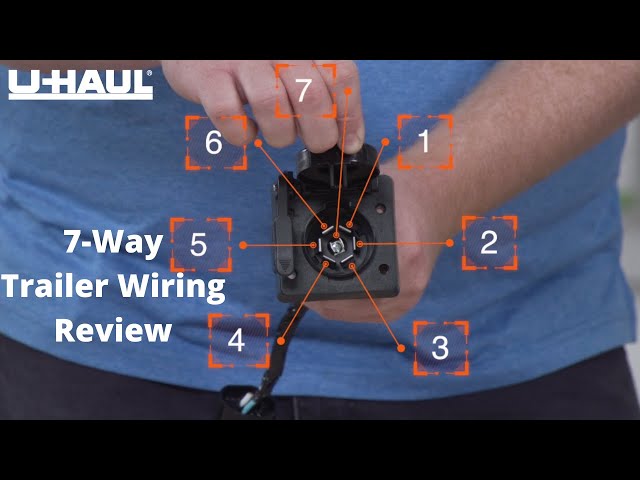
To create a chart or diagram of a 7-pin trailer wiring harness port on a camper, follow these steps:
- Identify the location of the port: The 7-pin trailer wiring harness port is typically located on the rear of the camper, near the bumper or hitch.
- Draw a diagram: Sketch a simple diagram of the port, including the shape, dimensions, and pin configuration.
-
Label the pins: Each pin on the port has a specific function. Label the pins according to the following standard:
- Pin 1: Ground
- Pin 2: Left Turn/Brake
- Pin 3: Tail Lights
- Pin 4: Right Turn/Brake
- Pin 5: Reverse Lights
- Pin 6: Electric Brakes (12V+)
- Pin 7: Auxiliary Power (12V+)
- Indicate wire colors: The wires connected to each pin are typically color-coded for easy identification. Indicate the wire colors on the diagram.
Benefits of creating a chart or diagram:
- Clear visualization: A chart or diagram provides a clear visual representation of the port’s pin configuration and wire connections.
- Simplified troubleshooting: By having a diagram, you can easily identify any issues with the wiring harness or trailer connections.
- Improved safety: A properly wired harness ensures that all electrical systems in the trailer are functioning correctly, enhancing safety while towing.
- Enhanced convenience: A well-organized diagram makes it easier to connect and disconnect the trailer, saving time and effort.
Conclusion:Creating a chart or diagram of a 7-pin trailer wiring harness port on a camper is a valuable practice. It helps ensure proper wiring, simplifies troubleshooting, and improves the overall safety and convenience of trailer operation.
7-Pin Trailer Wiring Harness Port on Camper
The 7-pin trailer wiring harness port on a camper is a critical interface for connecting the camper to a trailer. It ensures the proper functioning of essential systems such as lighting, brakes, and auxiliary power. Here are six key aspects to consider:
- Standardization: The 7-pin configuration is an industry standard, ensuring compatibility between different campers and trailers.
- Safety: A properly wired harness is essential for safe trailer operation, preventing electrical malfunctions and ensuring reliable lighting and braking.
- Functionality: The 7-pin port provides connections for all necessary electrical functions, including lighting, brakes, and auxiliary power.
- Convenience: A well-maintained harness makes it easy to connect and disconnect the trailer, saving time and effort.
- Troubleshooting: Understanding the wiring diagram of the harness aids in troubleshooting electrical issues and maintaining a reliable connection.
- Customization: In some cases, additional wires may be added to the harness to support specific features or accessories, allowing for customization.
These aspects highlight the importance of the 7-pin trailer wiring harness port on a camper. By ensuring proper wiring and maintenance, you can enhance the safety, functionality, and convenience of your camping experience.
Standardization
The standardization of the 7-pin trailer wiring harness port on campers plays a crucial role in ensuring compatibility between different campers and trailers. By adhering to this industry standard, manufacturers can guarantee that their products will be able to connect and communicate with each other seamlessly.
This compatibility is essential for the safe and reliable operation of trailers. It ensures that all essential electrical systems, such as lighting, brakes, and auxiliary power, function properly. Without standardization, there would be a risk of mismatched connections and electrical malfunctions, which could lead to accidents or damage to equipment.
In practice, the standardization of the 7-pin port allows campers and trailers from different manufacturers to be connected and disconnected easily and quickly. This simplifies the towing process and reduces the risk of errors. Additionally, it enables the use of standardized accessories and adapters, providing greater flexibility and convenience for camper owners.
Overall, the standardization of the 7-pin trailer wiring harness port on campers is a critical factor in ensuring compatibility, safety, and ease of use. It is a testament to the importance of industry standards in promoting interoperability and enhancing the overall towing experience.
Safety
The 7-pin trailer wiring harness port on a camper plays a critical role in ensuring the safety of trailer operation. A properly wired harness is essential for preventing electrical malfunctions and ensuring reliable lighting and braking.
Electrical malfunctions in a trailer wiring harness can lead to a variety of safety hazards. For example, faulty wiring can cause lights to malfunction, increasing the risk of accidents at night or in low-visibility conditions. Additionally, electrical problems can affect the operation of brakes, leading to reduced braking effectiveness or even brake failure. This can pose a serious safety risk, especially when towing heavy loads or navigating challenging road conditions.
A properly wired 7-pin trailer wiring harness port is crucial for ensuring that all electrical systems in the trailer are functioning correctly. This includes providing a reliable connection for lighting, brakes, and auxiliary power. By ensuring that the harness is properly wired and maintained, camper owners can minimize the risk of electrical malfunctions and enhance the overall safety of their towing experience.
In addition to preventing electrical malfunctions, a properly wired 7-pin trailer wiring harness port also ensures reliable lighting and braking. Properly functioning lighting is essential for visibility and communication with other drivers, especially at night or in inclement weather. Reliable braking is critical for maintaining control of the trailer and preventing accidents. The 7-pin wiring harness port provides a standardized interface for connecting these essential systems, ensuring that they operate consistently and effectively.
Overall, the safety aspect of a properly wired 7-pin trailer wiring harness port on a camper cannot be overstated. By preventing electrical malfunctions and ensuring reliable lighting and braking, it contributes to a safer and more enjoyable towing experience.
Functionality
The functionality of the 7-pin trailer wiring harness port on a camper is crucial as it provides connections for all essential electrical functions, including lighting, brakes, and auxiliary power. These connections ensure the proper operation and safety of the trailer while it is being towed.
- Lighting: The 7-pin port provides connections for the trailer’s lighting system, including taillights, brake lights, turn signals, and side marker lights. These lights are essential for visibility and communication with other drivers, ensuring the safety of the camper and trailer on the road.
- Brakes: The 7-pin port also provides connections for the trailer’s braking system. This includes the electric brakes, which are activated by the camper’s brake controller. Proper functioning of the brakes is critical for maintaining control and preventing accidents, especially when towing heavy loads.
- Auxiliary power: The 7-pin port includes a connection for auxiliary power, which can be used to power various devices and appliances in the trailer. This can include refrigerators, air conditioners, and charging systems for batteries. Auxiliary power enhances the comfort and convenience of camping trips.
Overall, the functionality of the 7-pin trailer wiring harness port on a camper is paramount for ensuring the safe and efficient operation of the trailer. By providing connections for lighting, brakes, and auxiliary power, this port enables the trailer to function as an integrated part of the camper, enhancing the overall towing experience.
Convenience
The convenience aspect of a well-maintained 7-pin trailer wiring harness port on a camper is directly tied to its user-friendly design and efficient functionality. This port enables quick and effortless connection and disconnection of the trailer, saving valuable time and minimizing hassle.
- Effortless Connection: The standardized 7-pin configuration ensures a simple and straightforward connection process. The pins are clearly labeled and color-coded, allowing for easy alignment and insertion. This eliminates the need for complex wiring or specialized tools, making it accessible to users of all skill levels.
- Quick Disconnection: Disconnecting the trailer is equally convenient. The harness features a latching mechanism that allows for quick release, without the need for excessive force or awkward maneuvering. This simplifies the process of unhitching the trailer, saving time and effort.
- Reduced Setup Time: The ease of connecting and disconnecting the trailer directly impacts the overall setup time for camping or towing. A well-maintained harness minimizes the time spent on these tasks, allowing users to focus on enjoying their outdoor adventures rather than dealing with technical difficulties.
- Enhanced Maneuverability: The convenience of a well-maintained harness also extends to maneuvering the trailer in tight spaces or challenging terrain. The ability to quickly disconnect the trailer allows for greater flexibility and control, making it easier to navigate obstacles or park in confined areas.
In conclusion, the convenience provided by a well-maintained 7-pin trailer wiring harness port on a camper is a key factor in enhancing the overall towing experience. It simplifies the connection and disconnection process, saving time and effort, and contributes to the ease of use and maneuverability of the trailer.
Troubleshooting
Understanding the wiring diagram of the 7-pin trailer wiring harness port on a camper is crucial for effective troubleshooting and maintaining a reliable connection. The wiring diagram provides a detailed visual representation of the electrical connections within the harness, enabling users to identify and resolve issues quickly.
- Component Identification: The wiring diagram helps identify the individual components within the harness, such as wires, terminals, and connectors. This knowledge is essential for tracing electrical circuits, isolating faults, and performing repairs.
- Circuit Analysis: The diagram allows users to analyze the electrical circuits within the harness, including the flow of current and voltage. This enables them to understand how different components interact and identify potential points of failure.
- Fault Diagnosis: By comparing the actual wiring configuration to the diagram, users can pinpoint the location of electrical faults. This can include identifying loose connections, damaged wires, or faulty components.
- Maintenance and Repair: The wiring diagram provides guidance for maintenance and repair tasks. It helps users identify the correct replacement parts and understand the proper procedures for reconnecting and securing wires.
Overall, understanding the wiring diagram of the 7-pin trailer wiring harness port on a camper empowers users to troubleshoot electrical issues effectively and maintain a reliable connection between the camper and the trailer. This knowledge enhances safety, ensures optimal performance, and contributes to a more enjoyable towing experience.
Customization
The customization aspect of the 7-pin trailer wiring harness port on a camper provides versatility and allows users to tailor the electrical system to their specific needs and preferences. By adding additional wires to the harness, camper owners can support a wide range of features and accessories that enhance the functionality and convenience of their camping experience.
One common customization is the addition of a dedicated wire for a backup camera. This allows for the installation of a camera on the back of the trailer, providing the driver with a clear view while reversing. Another popular customization is the addition of wires for solar panels, enabling the trailer to generate its own electricity and reduce reliance on external power sources.
The ability to customize the 7-pin trailer wiring harness port extends beyond practical features. Some campers choose to add wires for aesthetic enhancements, such as LED accent lighting or decorative exterior lights. By incorporating these customizations, camper owners can create a unique and personalized look for their rig.
The practical significance of understanding the customization aspect of the 7-pin trailer wiring harness port lies in the flexibility it offers. By being able to adapt the harness to their specific requirements, camper owners can optimize the functionality and enjoyment of their camping setup. Whether it’s for safety, convenience, or aesthetics, the ability to customize the harness empowers users to create a truly tailored towing experience.
A 7-pin trailer wiring harness port on a camper is a crucial component for connecting a trailer to the camper’s electrical system. It provides a standardized interface for transmitting electrical signals between the two vehicles, enabling the proper functioning of essential systems such as lighting, brakes, and auxiliary power.
The 7-pin configuration is an industry standard, ensuring compatibility between different campers and trailers. This standardization promotes safety by ensuring reliable electrical connections and preventing malfunctions. The port’s design allows for quick and easy connection and disconnection, enhancing convenience and efficiency during the towing process.
The 7-pin trailer wiring harness port plays a vital role in the overall functionality of the camper and trailer combination. It ensures that lighting systems, including taillights, brake lights, turn signals, and side marker lights, operate correctly, enhancing visibility and safety on the road. The port also supports the proper functioning of the trailer’s braking system, including electric brakes, which are activated by the camper’s brake controller. This ensures effective braking and control, particularly when towing heavy loads or navigating challenging road conditions.
FAQs on 7-Pin Trailer Wiring Harness Port on Camper
The 7-pin trailer wiring harness port on a camper plays a crucial role in connecting the camper to a trailer’s electrical system. Here are answers to some frequently asked questions about this essential component:
Question 1: What is the purpose of the 7-pin trailer wiring harness port?
The 7-pin trailer wiring harness port provides a standardized interface for transmitting electrical signals between the camper and the trailer. It ensures the proper functioning of lighting, brakes, and auxiliary power systems in the trailer.
Question 2: Why is the 7-pin configuration considered an industry standard?
The 7-pin configuration is an industry standard because it ensures compatibility between different campers and trailers from various manufacturers. This standardization promotes safety and reliability by ensuring consistent electrical connections.
Question 3: What are the key benefits of a properly wired 7-pin trailer wiring harness port?
A properly wired 7-pin trailer wiring harness port offers several benefits, including enhanced safety through reliable electrical connections, improved functionality by supporting essential systems in the trailer, and increased convenience due to its standardized design.
Question 4: How does the 7-pin port contribute to trailer lighting and braking systems?
The 7-pin port provides connections for the trailer’s lighting system, including taillights, brake lights, turn signals, and side marker lights. It also supports the trailer’s braking system, including electric brakes, which are activated by the camper’s brake controller, ensuring effective braking and control while towing.
Question 5: Is it possible to customize the 7-pin trailer wiring harness port?
Yes, it is possible to customize the 7-pin trailer wiring harness port to meet specific needs. Additional wires can be added to support features such as backup cameras, solar panels, or aesthetic enhancements like LED accent lighting.
Question 6: What are some common troubleshooting tips for 7-pin trailer wiring harness port issues?
Troubleshooting 7-pin trailer wiring harness port issues often involves checking for loose connections, damaged wires, or faulty components. Understanding the wiring diagram and using a multimeter to test continuity can assist in identifying and resolving these issues.
Understanding the purpose, benefits, and troubleshooting techniques related to the 7-pin trailer wiring harness port is crucial for ensuring the safe and reliable operation of your camper and trailer combination.
Transition to the next article section:
For further information on electrical systems in campers and trailers, please refer to the related article section.
Conclusion
In conclusion, the 7-pin trailer wiring harness port on a camper is a crucial component that ensures the safe and reliable connection of a trailer to the camper’s electrical system. This standardized interface enables the proper functioning of essential systems such as lighting, brakes, and auxiliary power, contributing to a seamless and efficient towing experience.
Understanding the purpose, benefits, and troubleshooting techniques related to the 7-pin trailer wiring harness port is paramount for camper and trailer owners. By ensuring proper wiring and maintenance, you can enhance safety, optimize functionality, and enjoy a more convenient and enjoyable camping experience.
Youtube Video: