 Eckhard Ranulf Walter
Wiring a 3-Way Switch Diagram
A 3-way switch diagram is a visual representation of the electrical connections required to wire a 3-way switch. 3-way switches are commonly used to control a light or other electrical device from two different locations. Wiring a 3-way switch can be a bit tricky, but it is important to get it right to ensure that the switch works properly and safely.
There are a few different ways to wire a 3-way switch, but the most common method is to use a traveler wire. A traveler wire is a wire that connects the two 3-way switches together. The traveler wire is typically colored red or black, but it can be any color as long as it is not the same color as the other wires in the circuit.
To wire a 3-way switch using a traveler wire, follow these steps:
- Turn off the power to the circuit at the breaker panel.
- Remove the faceplate from each 3-way switch.
- Identify the terminals on each switch. The terminals will be labeled “common”, “traveler”, and “brass”.
- Connect the common terminal on one switch to the common terminal on the other switch using a short piece of wire.
- Connect the traveler terminal on one switch to the traveler terminal on the other switch using a piece of traveler wire.
- Connect the brass terminal on one switch to the black wire in the circuit.
- Connect the brass terminal on the other switch to the white wire in the circuit.
- Turn on the power to the circuit at the breaker panel.
- Test the switch to make sure that it is working properly.
Here is a diagram of how to wire a 3-way switch using a traveler wire:

Wiring a 3-way switch can be a bit tricky, but it is important to get it right to ensure that the switch works properly and safely. If you are not sure how to wire a 3-way switch, it is best to consult with a qualified electrician.
Benefits of using a 3-way switch diagram:
- Helps to ensure that the switch is wired correctly.
- Can be used to troubleshoot problems with a 3-way switch.
- Can be used to plan the layout of a new electrical circuit.
Conclusion:
Wiring a 3-way switch can be a bit tricky, but it is important to get it right to ensure that the switch works properly and safely. Using a 3-way switch diagram can help to make the wiring process easier and can also help to troubleshoot problems with a 3-way switch.
Wiring a 3-Way Switch Diagram
Wiring a 3-way switch diagram involves several key aspects that ensure proper electrical connections and switch functionality. Here are six essential aspects to consider:
- Circuit Design: Plan the switch’s placement and wire routing for efficient circuit operation.
- Terminal Identification: Correctly identify and connect switch terminals (common, traveler, brass) to establish proper circuit paths.
- Traveler Wire: Use an appropriately sized traveler wire to connect the two 3-way switches, allowing for communication between them.
- Power Source: Determine the power source (line and neutral wires) and connect them to the switch to provide electrical supply.
- Load Connection: Connect the load (light, fan, etc.) to the switch’s output terminals to control its operation.
- Safety Precautions: Follow electrical codes and safety guidelines to ensure proper grounding, insulation, and circuit protection.
Understanding these key aspects is crucial for creating accurate and functional 3-way switch diagrams. They provide a roadmap for electrical connections, ensuring safe and reliable switch operation. Proper circuit design, precise terminal identification, and adherence to safety protocols are essential for successful electrical installations.
Circuit Design
Circuit design plays a crucial role in wiring a 3-way switch diagram. It involves planning the placement of the switches and routing of wires to ensure efficient circuit operation. Proper circuit design considers factors such as switch locations, wire lengths, and load requirements to optimize electrical performance and safety.
- Placement of Switches: The placement of 3-way switches should allow for convenient and logical control of the connected load. Switches should be positioned at accessible locations, such as entryways or hallways, to facilitate easy operation.
- Wire Routing: The routing of wires between switches and the load should be planned to minimize wire lengths and avoid potential hazards. Wires should be routed through approved pathways, such as conduits or cable trays, to protect them from damage and ensure a safe electrical installation.
- Wire Sizing: The size of the wires used in the circuit should be appropriate for the load current and circuit voltage. Using wires with insufficient capacity can lead to overheating and safety issues, while oversized wires can be wasteful and more expensive.
- Load Requirements: The circuit design should consider the load requirements, such as the type and power consumption of the connected devices. Switches and wires should be rated to handle the expected load to prevent overloading and potential damage.
By carefully considering these factors in circuit design, it is possible to create a 3-way switch diagram that ensures efficient, safe, and reliable operation of the electrical circuit.
Terminal Identification
Terminal identification is crucial in wiring a 3-way switch diagram to establish proper circuit paths and ensure the correct functioning of the switch. Each terminal on a 3-way switch serves a specific purpose in completing the circuit and controlling the connected load.
- Common Terminal: The common terminal, typically marked with a black screw, is the connection point for the incoming power supply. It is the constant connection point that remains energized regardless of the switch position.
- Traveler Terminals: The traveler terminals, usually marked with red and white screws, are the connection points for the traveler wires that establish communication between the two 3-way switches. These terminals allow the switches to control the load from different locations.
- Brass Terminal: The brass terminal, often unmarked or marked with a different color screw, is the connection point for the load (e.g., light, fan). It is the output terminal through which power flows to operate the connected device.
Correctly identifying and connecting the switch terminals is essential for completing the circuit and ensuring proper switch operation. Misidentified or connected terminals can lead to incorrect switching behavior, potential electrical hazards, or damage to the switch and connected devices.
Traveler Wire
In the context of “wiring a 3-way switch diagram,” the traveler wire plays a critical role in establishing communication between the two 3-way switches, enabling them to control a single load (e.g., light, fan) from different locations.
- Establishing the Communication Path: The traveler wire serves as the communication channel between the two 3-way switches. It carries signals that allow the switches to “talk” to each other, coordinating their actions to control the load.
- Circuit Completion: The traveler wire completes the electrical circuit between the two switches, allowing current to flow and operate the load. Without the traveler wire, the circuit would be incomplete, and the switches would not be able to control the load.
- Switching Functionality: The traveler wire enables the switching functionality of the 3-way switches. By sending signals through the traveler wire, the switches can change the state of the load (on/off) from their respective locations.
- Isolation and Safety: The traveler wire provides isolation between the two 3-way switches, ensuring that each switch operates independently. This isolation enhances safety by preventing accidental or unintended switching.
In summary, the traveler wire is an essential component in wiring a 3-way switch diagram, facilitating communication between the switches and enabling them to control a load from multiple locations. Its proper selection and installation are crucial for the correct functioning and safety of the electrical circuit.
Power Source
In the context of “wiring a 3-way switch diagram,” the power source is the essential component that provides the electrical energy to operate the switch and control the connected load. Understanding the power source and its proper connection are crucial for ensuring the safe and efficient operation of the electrical circuit.
The power source typically consists of two wires: the line wire (also known as the hot wire) and the neutral wire. The line wire carries the electrical current from the power panel to the switch, while the neutral wire provides a path for the current to return to the power panel, completing the electrical circuit.
Connecting the power source to the 3-way switch involves identifying the line and neutral wires and establishing a proper connection. The line wire is typically black or red, while the neutral wire is typically white or gray. The switch’s terminals are usually marked to indicate which terminal should be connected to the line wire and which to the neutral wire. Correctly connecting the power source ensures that the switch receives the necessary electrical supply to operate and control the load.
The importance of the power source in “wiring a 3-way switch diagram” cannot be overstated. Without a reliable power source, the switch would not be able to function, and the connected load would not receive the necessary power to operate. Proper identification and connection of the power source are essential for the successful operation and safety of the electrical circuit.
Load Connection
In the context of “wiring a 3-way switch diagram,” the load connection is a critical aspect that establishes the electrical pathway between the switch and the device being controlled, such as a light or a fan. Understanding the load connection and its proper implementation are essential for ensuring the desired operation and safety of the electrical circuit.
- Establishing Control: The load connection allows the 3-way switch to control the operation of the connected load. By completing the circuit through the switch’s output terminals, the switch can turn the load on or off, or adjust its intensity in the case of dimmable loads.
- Power Flow: The load connection provides the path for electrical current to flow from the power source, through the switch, and to the load. Proper connection ensures that the load receives the necessary power to operate.
- Load Compatibility: The load connection must be compatible with the type of load being controlled. Switches have specific load ratings, and exceeding these ratings can lead to switch failure or even electrical hazards.
- Safety Considerations: Proper load connection is essential for electrical safety. Loose connections, incorrect wire sizing, or overloaded circuits can pose fire hazards or electrical shock risks.
In summary, the load connection in “wiring a 3-way switch diagram” plays a crucial role in establishing control over the connected load, ensuring proper power flow, maintaining load compatibility, and upholding electrical safety. Careful consideration and adherence to electrical codes and safety guidelines are paramount when making load connections.
Safety Precautions
In the context of “wiring a 3-way switch diagram,” safety precautions are of paramount importance to ensure the proper functioning and safety of the electrical circuit. Electrical codes and safety guidelines provide a framework for safe electrical installations, minimizing the risk of electrical hazards, fires, and injuries.
Grounding, insulation, and circuit protection are three key aspects of electrical safety that must be carefully considered when wiring a 3-way switch diagram.
- Grounding: Grounding provides a low-resistance path for electrical current to flow to the ground in the event of a fault or short circuit. This helps prevent dangerous electrical shock and protects equipment from damage.
- Insulation: Insulation materials surround electrical wires and components to prevent the flow of current where it is not intended. Proper insulation minimizes the risk of electrical shock, short circuits, and fires.
- Circuit Protection: Circuit protection devices, such as fuses and circuit breakers, are designed to interrupt the flow of electrical current when it exceeds a safe level. This helps prevent electrical fires and damage to electrical equipment.
By following electrical codes and safety guidelines, electricians can ensure that 3-way switch diagrams are wired in a way that meets safety standards and minimizes the risk of electrical hazards. This includes using proper grounding techniques, selecting appropriate insulation materials, and installing appropriate circuit protection devices.
Neglecting safety precautions can have serious consequences. Improper grounding can lead to electrical shock or fire, while inadequate insulation can cause short circuits and electrical fires. Overloaded circuits can trip circuit breakers or blow fuses, but in extreme cases, they can also lead to electrical fires.
Therefore, it is crucial for electricians to prioritize safety precautions when wiring a 3-way switch diagram. By adhering to electrical codes and safety guidelines, they can ensure the safe and reliable operation of the electrical circuit.
Wiring a 3-way switch diagram is a visual representation of the electrical connections required to control a single light or other electrical device from two different locations. This type of wiring is commonly used in hallways, stairwells, and other areas where it is desirable to have control over a light from multiple points.
3-way switch diagrams are important because they provide a clear and concise plan for the electrical installation. By following a diagram, electricians can ensure that the switch is wired correctly, reducing the risk of electrical hazards and ensuring the proper functioning of the switch. Additionally, diagrams can be useful for troubleshooting problems with a 3-way switch, as they provide a visual representation of the circuit.
To wire a 3-way switch, you will need the following materials:
FAQs
Wiring a 3-way switch diagram can seem like a daunting task, but by following these frequently asked questions and answers, you can gain a better understanding of the process:
Question 1: What is a 3-way switch diagram?
Answer: A 3-way switch diagram is a visual representation of the electrical connections required to control a single light or other electrical device from two different locations.
Question 2: Why is it important to use a 3-way switch diagram?
Answer: Using a 3-way switch diagram helps ensure that the switch is wired correctly, reducing the risk of electrical hazards and improving functionality.
Question 3: What materials are needed to wire a 3-way switch?
Answer: To wire a 3-way switch, you will need the following materials:
- 3-way switches
- Electrical wire
- Wire connectors
- Screwdriver
- Electrical tape
Question 4: How do I identify the terminals on a 3-way switch?
Answer: 3-way switches typically have three terminals: common, traveler 1, and traveler 2. The common terminal is usually identified by a black screw, while the traveler terminals are typically identified by red and white screws.
Question 5: How do I connect the wires to the 3-way switch?
Answer: Connect the black wire from the power source to the common terminal on one of the 3-way switches. Connect the white wire from the power source to the common terminal on the other 3-way switch. Connect the red traveler wire from one switch to the red traveler terminal on the other switch. Connect the white traveler wire from one switch to the white traveler terminal on the other switch.
Question 6: How do I test the 3-way switch?
Answer: Once the 3-way switch is wired, test it by turning it on and off from both locations. The light or other electrical device should turn on and off as expected.
Summary: Wiring a 3-way switch may seem complex, but it can be done safely and effectively by following the proper steps and precautions. A 3-way switch diagram is an essential tool for planning and executing the wiring process, ensuring that the switch functions correctly and meets electrical safety standards.
Next Steps: If you are unsure about any aspect of wiring a 3-way switch, it is best to consult with a qualified electrician.
Conclusion
Wiring a 3-way switch diagram requires careful planning and execution to ensure proper functionality and electrical safety. This article has explored the key aspects of 3-way switch wiring, providing a comprehensive guide for electricians and DIY enthusiasts alike.
By understanding the circuit design, terminal identification, traveler wire connections, power source, load connections, and safety precautions, individuals can confidently tackle 3-way switch wiring projects. Proper grounding, insulation, and circuit protection are crucial for minimizing electrical hazards and ensuring the longevity of the electrical system.
Whether it’s for residential or commercial applications, a well-wired 3-way switch diagram enables convenient control of lighting and other electrical devices from multiple locations. By adhering to electrical codes and industry best practices, electricians can deliver safe and efficient electrical installations that meet the needs of their clients.
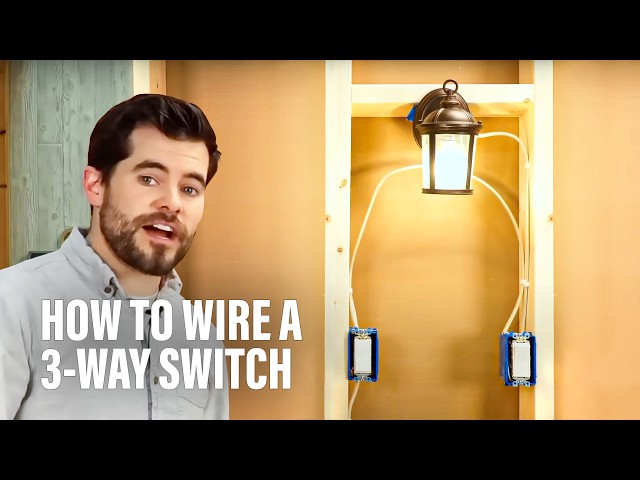
Youtube Video: