 Eckhard Ranulf Walter
4-Way Light Switch Wiring Schematic
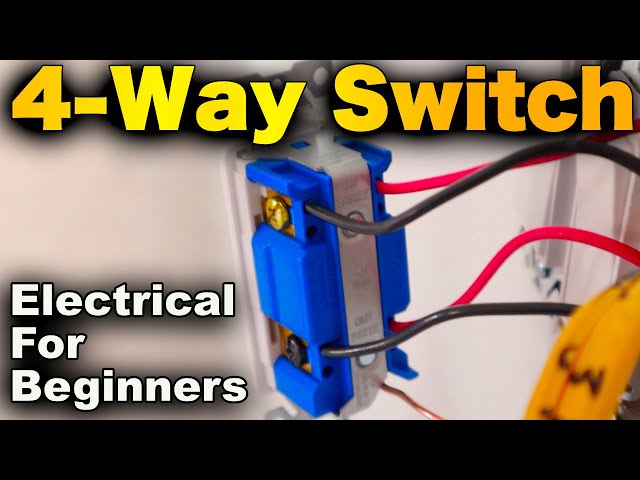
A 4-way light switch wiring schematic is a diagram that shows how to wire a 4-way light switch. A 4-way light switch is a type of electrical switch that allows you to control a light from four different locations. This type of switch is often used in large rooms, such as living rooms or hallways, where you want to be able to turn the light on or off from multiple locations.
To create a 4-way light switch wiring schematic, you will need to follow these steps:
- Draw a diagram of the room where you want to install the 4-way light switch.
- Mark the locations of the four switches on the diagram.
- Draw the wires that will connect the switches to the light fixture.
- Label the wires with their corresponding colors.
Once you have completed these steps, you will have a 4-way light switch wiring schematic that you can use to install the switch.
Benefits of using a 4-way light switch wiring schematic
- Helps you to avoid mistakes when wiring the switch.
- Makes it easier to troubleshoot problems with the switch.
- Can be used to create a more efficient wiring system.
Conclusion
A 4-way light switch wiring schematic is a valuable tool that can help you to install and troubleshoot a 4-way light switch. By following the steps outlined in this article, you can create a schematic that will help you to complete the job safely and efficiently.
4-Way Light Switch Wiring Schematic
A 4-way light switch wiring schematic is a diagram that shows how to wire a 4-way light switch. 4-way light switches are commonly found in large rooms, such as living rooms or hallways, where you want to be able to turn the light on or off from multiple locations.
- Diagram: A visual representation of the wiring connections.
- Electrical: Deals with the flow of electricity through the circuit.
- Layout: The arrangement of the switches and light fixture in the room.
- Planning: Deciding the placement of switches and wiring routes before installation.
- Safety: Ensuring the electrical system is installed correctly to prevent hazards.
- Troubleshooting: Identifying and resolving issues with the wiring system.
- Tools: The necessary equipment for installing and maintaining the wiring.
- Wiring: The physical connections between the switches, light fixture, and power source.
These aspects are all interconnected and essential for understanding how to wire a 4-way light switch. For example, the layout of the room will determine the length and routing of the wires. The electrical principles will dictate the type of wire and connections required. Proper planning will help to ensure a safe and efficient installation. Troubleshooting skills will be necessary to identify and resolve any problems with the wiring system.
Diagram
A diagram is an essential part of a 4-way light switch wiring schematic. It provides a visual representation of the electrical connections between the switches, the light fixture, and the power source. This diagram is essential for understanding how the system works and for troubleshooting any problems that may arise.
- Layout: The diagram shows the layout of the switches and the light fixture in the room. This information is important for determining the length and routing of the wires.
- Connections: The diagram shows how the switches are connected to each other and to the light fixture. This information is essential for ensuring that the system works properly.
- Troubleshooting: If there is a problem with the wiring system, the diagram can be used to troubleshoot the problem. By following the diagram, it is possible to identify the source of the problem and make the necessary repairs.
Overall, the diagram is a valuable tool for understanding and troubleshooting a 4-way light switch wiring schematic. By providing a visual representation of the electrical connections, the diagram makes it easier to understand how the system works and to identify any problems that may arise.
Electrical
The electrical aspect of a 4-way light switch wiring schematic deals with the flow of electricity through the circuit. This is important because it ensures that the switches and light fixture are connected properly and that the system works safely and efficiently.
The electrical principles that are involved in a 4-way light switch wiring schematic include:
- Voltage: The electrical potential difference between two points in the circuit.
- Current: The flow of electrical charge through the circuit.
- Resistance: The opposition to the flow of electrical current.
These principles are used to calculate the size and type of wire that is needed for the circuit, as well as the type of switches and light fixture that can be used. It is important to understand these principles in order to design and install a safe and efficient 4-way light switch wiring schematic.
For example, if the voltage in the circuit is too high, it can cause the wires to overheat and start a fire. If the current in the circuit is too high, it can cause the switches to overheat and fail. If the resistance in the circuit is too high, it can prevent the light fixture from turning on.
By understanding the electrical principles involved in a 4-way light switch wiring schematic, you can design and install a system that is safe and efficient.
Layout
In the context of a 4-way light switch wiring schematic, the layout refers to the arrangement of the switches and light fixture in the room. This layout is important because it determines the length and routing of the wires, as well as the placement of the switches and light fixture.
- Placement of Switches: The placement of the switches is important for ensuring that they are easily accessible and convenient to use. For example, in a living room, the switches may be placed near the entrance to the room and near the seating area.
- Placement of Light Fixture: The placement of the light fixture is important for ensuring that it provides adequate lighting for the room. For example, in a kitchen, the light fixture may be placed over the sink and the stovetop.
- Routing of Wires: The routing of the wires is important for ensuring that the wires are hidden from view and that they do not pose a safety hazard. For example, the wires may be routed through the walls or ceiling.
Overall, the layout of the switches and light fixture in the room is an important consideration when designing a 4-way light switch wiring schematic. By carefully considering the layout, you can ensure that the system is safe, efficient, and convenient to use.
Planning
In the context of a 4-way light switch wiring schematic, planning refers to the process of deciding the placement of switches and wiring routes before installation. This planning is important because it ensures that the system is safe, efficient, and convenient to use.
The placement of the switches is important for ensuring that they are easily accessible and convenient to use. For example, in a living room, the switches may be placed near the entrance to the room and near the seating area. The routing of the wires is important for ensuring that the wires are hidden from view and that they do not pose a safety hazard. For example, the wires may be routed through the walls or ceiling.
By carefully planning the placement of switches and wiring routes, you can ensure that the 4-way light switch wiring schematic is safe, efficient, and convenient to use.
For example, if the switches are placed too far apart, it may be difficult to reach them. If the wires are routed in a way that is visible, they may be unsightly and could pose a safety hazard.
Overall, planning is an important part of creating a 4-way light switch wiring schematic. By carefully considering the placement of switches and wiring routes, you can ensure that the system meets your needs and is safe to use.
Safety
In the context of a 4-way light switch wiring schematic, safety is of paramount importance. Electrical systems can be hazardous if not installed correctly, and it is essential to take all necessary precautions to prevent accidents.
- Using the correct materials: It is important to use the correct materials when installing a 4-way light switch wiring schematic. This includes using the correct gauge of wire, the correct type of connectors, and the correct type of switches. Using the wrong materials can lead to electrical fires or other hazards.
- Following the correct procedures: It is also important to follow the correct procedures when installing a 4-way light switch wiring schematic. This includes following the manufacturer’s instructions and using the correct tools. Failing to follow the correct procedures can lead to electrical problems.
- Testing the system: Once the 4-way light switch wiring schematic is installed, it is important to test the system to ensure that it is working properly. This includes testing the switches, the light fixture, and the wiring. Testing the system can help to identify any problems that need to be corrected.
- Regular maintenance: Once the 4-way light switch wiring schematic is installed, it is important to perform regular maintenance to ensure that it continues to work properly. This includes checking the switches, the light fixture, and the wiring for any signs of damage. Regular maintenance can help to prevent electrical problems and ensure that the system remains safe.
By following these safety tips, you can help to ensure that your 4-way light switch wiring schematic is installed and maintained correctly, and that it does not pose a safety hazard.
Troubleshooting
In the context of a 4-way light switch wiring schematic, troubleshooting refers to the process of identifying and resolving issues with the wiring system. This is important because it ensures that the system is safe and functioning properly.
- Identifying the problem: The first step in troubleshooting is to identify the problem. This can be done by observing the symptoms of the problem and by using a multimeter to test the system.
- Resolving the problem: Once the problem has been identified, it can be resolved by repairing or replacing the damaged component. In some cases, it may be necessary to rewire the entire system.
- Testing the system: Once the problem has been resolved, it is important to test the system to ensure that it is working properly.
Troubleshooting a 4-way light switch wiring schematic can be a challenging task, but it is important to have the skills to do so in order to ensure that the system is safe and functioning properly.
Tools
In the context of a 4-way light switch wiring schematic, tools are essential for installing and maintaining the wiring. The correct tools will help to ensure that the job is done safely and efficiently.
Some of the most important tools for working with a 4-way light switch wiring schematic include:
- Wire strippers
- Electrical tape
- Screwdriver
- Voltmeter
- Circuit tester
Wire strippers are used to remove the insulation from the ends of wires. Electrical tape is used to insulate the connections between wires. A screwdriver is used to tighten and loosen the screws that hold the switches and light fixture in place. A voltmeter is used to measure the voltage in the circuit. A circuit tester is used to test the continuity of the circuit.
By having the right tools for the job, you can ensure that your 4-way light switch wiring schematic is installed and maintained safely and efficiently.
Wiring
In the context of a 4-way light switch wiring schematic, the wiring refers to the physical connections between the switches, light fixture, and power source. These connections are essential for the system to function properly and safely.
- Components: The wiring in a 4-way light switch wiring schematic consists of several components, including wires, connectors, and switches. The wires are used to carry the electrical current from the power source to the switches and light fixture. The connectors are used to join the wires together and to the switches and light fixture. The switches are used to control the flow of electricity to the light fixture.
- Examples: In a typical 4-way light switch wiring schematic, the wires are made of copper and are insulated with PVC. The connectors are made of brass or plastic. The switches are made of plastic and metal.
- Implications: The wiring in a 4-way light switch wiring schematic is critical for the system to function properly and safely. If the wiring is not properly installed or maintained, it can pose a fire hazard. It is important to have a qualified electrician install and maintain the wiring in your home.
Overall, the wiring in a 4-way light switch wiring schematic is an essential part of the system. It is important to understand the components, examples, and implications of the wiring in order to ensure that the system is safe and functioning properly.
A 4-way light switch wiring schematic is a diagram that shows how to wire a 4-way light switch. A 4-way light switch is a type of electrical switch that allows you to control a light from four different locations. This type of switch is often used in large rooms, such as living rooms or hallways, where you want to be able to turn the light on or off from multiple locations.
4-way light switch wiring schematics are important because they help to ensure that the switch is wired correctly and safely. A properly wired 4-way light switch will allow you to control the light from any of the four locations without any problems.
In addition to providing instructions on how to wire a 4-way light switch, the schematic may also include information on the following:
- The type of wire to use
- The size of the wire to use
- The length of the wire to use
- The location of the switches
- The location of the light fixture
With this information, you can easily wire a 4-way light switch yourself.
FAQs on 4-Way Light Switch Wiring Schematics
4-way light switch wiring schematics can be confusing, but they are essential for ensuring that your switch is wired correctly and safely. Here are some of the most frequently asked questions about 4-way light switch wiring schematics:
Question 1: What is a 4-way light switch wiring schematic?
Answer: A 4-way light switch wiring schematic is a diagram that shows how to wire a 4-way light switch. A 4-way light switch is a type of electrical switch that allows you to control a light from four different locations.
Question 2: Why is it important to use a 4-way light switch wiring schematic?
Answer: Using a 4-way light switch wiring schematic is important because it helps to ensure that the switch is wired correctly and safely. A properly wired 4-way light switch will allow you to control the light from any of the four locations without any problems.
Question 3: What information is included in a 4-way light switch wiring schematic?
Answer: A 4-way light switch wiring schematic typically includes the following information: The type of wire to use, The size of the wire to use, The length of the wire to use, The location of the switches, The location of the light fixture.
Question 4: How do I wire a 4-way light switch using a schematic?
Answer: To wire a 4-way light switch using a schematic, follow these steps: Read the schematic carefully and identify the different components. Gather the necessary materials. Follow the instructions in the schematic to wire the switch.
Question 5: What are some common mistakes to avoid when wiring a 4-way light switch?
Answer: Some common mistakes to avoid when wiring a 4-way light switch include: Using the wrong type of wire, Using the wrong size of wire, Not following the instructions in the schematic, Not properly connecting the wires.
Question 6: What should I do if I am having trouble wiring a 4-way light switch?
Answer: If you are having trouble wiring a 4-way light switch, you should consult an electrician. An electrician can help you to identify the problem and fix it.
Summary: 4-way light switch wiring schematics are an important tool for ensuring that your switch is wired correctly and safely. By following the instructions in the schematic and avoiding common mistakes, you can easily wire a 4-way light switch yourself.
Next Steps: If you are still having trouble wiring a 4-way light switch, you should consult an electrician. An electrician can help you to identify the problem and fix it.
Conclusion
In this article, we have explored the topic of 4-way light switch wiring schematics. We have learned what they are, why they are important, and how to use them to wire a 4-way light switch. We have also discussed some of the common mistakes to avoid when wiring a 4-way light switch.
Wiring a 4-way light switch can be a challenging task, but it is important to do it correctly and safely. By following the instructions in the schematic and avoiding common mistakes, you can easily wire a 4-way light switch yourself.
If you are still having trouble wiring a 4-way light switch, you should consult an electrician. An electrician can help you to identify the problem and fix it.
Youtube Video: