 Eckhard Ranulf Walter
Trailer Electric Brake Wiring Schematics
Trailer electric brake wiring schematics are essential for understanding how to properly wire your trailer brakes. By following a schematic, you can ensure that your brakes are connected correctly and are functioning properly.
There are a few different types of trailer electric brake wiring schematics, depending on the type of brakes you have. The most common type of brake is the electric over hydraulic brake, which uses an electric signal to activate hydraulic brakes. Other types of brakes include electric over air brakes and hydraulic over electric brakes.
To create a trailer electric brake wiring schematic, you will need to gather some basic information, including the type of brakes you have, the number of axles on your trailer, and the size of your trailer. Once you have this information, you can use a wiring schematic template to create a diagram of your wiring system.
Here are the steps on how to create a trailer electric brake wiring schematic:
- Gather the necessary information, including the type of brakes you have, the number of axles on your trailer, and the size of your trailer.
- Find a wiring schematic template that is compatible with your type of brakes.
- Fill in the template with the information you have gathered.
- Check your schematic for accuracy before connecting any wires.
Benefits of using a trailer electric brake wiring schematic:
- Ensures that your brakes are connected correctly
- Helps you troubleshoot any problems with your brakes
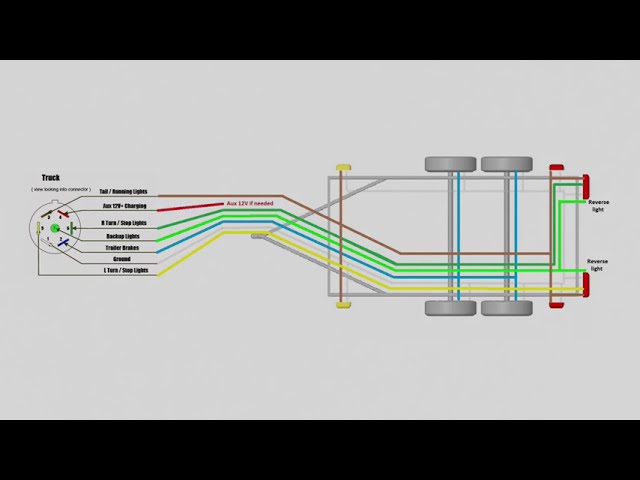
- Provides a visual representation of your wiring system
Conclusion:
Trailer electric brake wiring schematics are an essential tool for anyone who wants to properly wire their trailer brakes. By following a schematic, you can ensure that your brakes are connected correctly and are functioning properly.
Trailer Electric Brake Wiring Schematics
Trailer electric brake wiring schematics are essential for understanding how to properly wire your trailer brakes. By following a schematic, you can ensure that your brakes are connected correctly and are functioning properly.
- Components: The different components of a trailer electric brake wiring schematic include the power source, the brake controller, the brake magnets, and the wiring.
- Connections: The connections between the different components of a trailer electric brake wiring schematic are important to ensure that the brakes are functioning properly.
- Types: There are different types of trailer electric brake wiring schematics, depending on the type of brakes you have.
- Safety: It is important to follow a trailer electric brake wiring schematic carefully to ensure that your brakes are connected correctly and are functioning properly.
- Troubleshooting: If you are having problems with your trailer brakes, you can use a trailer electric brake wiring schematic to help you troubleshoot the problem.
- Maintenance: Regular maintenance of your trailer electric brake wiring schematic is important to ensure that your brakes are functioning properly.
- Compliance: In some areas, it is required by law for anyone towing a trailer to have a trailer electric brake wiring schematic on hand.
These key aspects of trailer electric brake wiring schematics are important to understand in order to ensure that your brakes are functioning properly. By following a schematic, you can ensure that your brakes are connected correctly and are safe to use.
Components
Trailer electric brake wiring schematics are essential for understanding how to properly wire your trailer brakes. By following a schematic, you can ensure that your brakes are connected correctly and are functioning properly. The different components of a trailer electric brake wiring schematic include the power source, the brake controller, the brake magnets, and the wiring.
- Power Source: The power source for a trailer electric brake wiring schematic is typically the battery on your tow vehicle. The battery provides the electricity that is needed to power the brake controller and the brake magnets.
- Brake Controller: The brake controller is the device that controls the amount of electricity that is sent to the brake magnets. The brake controller is typically mounted inside the tow vehicle, and it is connected to the brake pedal. When you press on the brake pedal, the brake controller sends electricity to the brake magnets.
- Brake Magnets: The brake magnets are the devices that actually apply the brakes on the trailer. The brake magnets are mounted on the brake drums or rotors, and they are connected to the brake controller. When electricity is sent to the brake magnets, they create a magnetic field that attracts the brake pads or shoes. This magnetic field causes the brake pads or shoes to press against the brake drums or rotors, which slows down or stops the trailer.
- Wiring: The wiring in a trailer electric brake wiring schematic connects the power source, the brake controller, and the brake magnets. The wiring must be properly sized and installed in order to ensure that the brakes are functioning properly.
These are the different components of a trailer electric brake wiring schematic. By understanding how these components work together, you can ensure that your trailer brakes are functioning properly.
Connections
Trailer electric brake wiring schematics are essential for understanding how to properly wire your trailer brakes. By following a schematic, you can ensure that your brakes are connected correctly and are functioning properly. The connections between the different components of a trailer electric brake wiring schematic are important to ensure that the brakes are functioning properly.
- Proper Connections: The connections between the different components of a trailer electric brake wiring schematic must be made properly in order for the brakes to function properly. If the connections are not made properly, the brakes may not work at all, or they may not work properly.
- Electrical Connections: The connections between the different components of a trailer electric brake wiring schematic are electrical connections. This means that the connections must be made with electrical wire and connectors. The wire must be the proper size and type for the application, and the connectors must be properly crimped or soldered.
- Ground Connections: The connections between the different components of a trailer electric brake wiring schematic must also include ground connections. Ground connections are necessary to complete the electrical circuit and allow the brakes to function properly.
- Testing Connections: Once the connections between the different components of a trailer electric brake wiring schematic have been made, it is important to test the connections to ensure that they are working properly. This can be done with a multimeter or a test light.
By following these guidelines, you can ensure that the connections between the different components of a trailer electric brake wiring schematic are made properly and that the brakes are functioning properly.
Types
Trailer electric brake wiring schematics vary based on the type of brakes installed on the trailer. Understanding these variations is crucial for proper installation and functionality of the braking system.
The most common type of trailer brake is the electric over hydraulic brake. This system utilizes an electric signal to activate hydraulic brakes, providing smooth and controlled braking. The wiring schematic for this type of brake includes connections to the brake controller, hydraulic brake actuators, and power source.
Another type of trailer brake is the electric over air brake. This system employs an electric signal to engage air brakes, offering greater braking force and durability. The wiring schematic for this system incorporates connections to the brake controller, air compressor, air reservoir, and brake valves.
Additionally, hydraulic over electric brakes exist, where hydraulic pressure actuates electric brakes. The wiring schematic for this system involves connections to the brake controller, hydraulic master cylinder, and electric brake actuators.
Recognizing the different types of trailer electric brake wiring schematics is essential for selecting the appropriate schematic that corresponds to the specific brake system installed on the trailer. This ensures proper wiring and optimal braking performance, enhancing safety and preventing potential hazards.
Safety
Trailer electric brake wiring schematics play a critical role in ensuring the safety of your trailer and its occupants. By providing a clear and accurate guide for wiring the trailer’s brake system, these schematics help prevent electrical faults, brake malfunctions, and potentially dangerous situations on the road.
- Ensuring Proper Connections: Wiring schematics provide a step-by-step plan for connecting the various components of the trailer’s brake system, including the brake controller, brake magnets, and power source. Following the schematic ensures that all connections are made correctly, eliminating the risk of loose or faulty connections that could lead to brake failure.
- Preventing Electrical Faults: Trailer electric brake wiring schematics specify the correct wire gauges and types to be used, preventing the use of undersized or incompatible wires that could overheat and cause electrical faults. Proper wiring also minimizes the risk of shorts and other electrical issues that could compromise the functionality of the brake system.
- Optimizing Brake Performance: By ensuring that the brake system is wired according to the manufacturer’s specifications, trailer electric brake wiring schematics help optimize the performance of the brakes. Properly wired brakes respond quickly and smoothly, providing the necessary stopping power to maintain control of the trailer in various driving conditions.
- Compliance with Regulations: In some jurisdictions, it is a legal requirement for trailers to have properly installed and maintained brake systems. Trailer electric brake wiring schematics provide a record of the wiring configuration, which can be helpful for inspections and compliance purposes.
In conclusion, trailer electric brake wiring schematics are essential for ensuring the safety and reliability of your trailer’s brake system. By carefully following the schematic during installation and maintenance, you can prevent potential hazards, optimize brake performance, and comply with regulatory requirements.
Troubleshooting
Trailer electric brake wiring schematics are essential for troubleshooting problems with your trailer brakes. By following the schematic, you can identify the location of the problem and determine the best course of action to fix it.
- Identifying the Problem: A trailer electric brake wiring schematic can help you identify the location of the problem by showing you how the different components of the brake system are connected. Once you know where the problem is, you can start to troubleshoot it.
- Determining the Solution: Once you have identified the location of the problem, you can use the trailer electric brake wiring schematic to determine the best course of action to fix it. The schematic will show you how to replace or repair the faulty component.
- Preventing Future Problems: By following the trailer electric brake wiring schematic and making sure that all of the connections are tight and secure, you can help to prevent future problems with your trailer brakes.
Trailer electric brake wiring schematics are an essential tool for troubleshooting problems with your trailer brakes. By following the schematic, you can quickly and easily identify the location of the problem and determine the best course of action to fix it.
Maintenance
Regular maintenance of your trailer electric brake wiring schematic is essential for ensuring the safety and reliability of your trailer’s braking system. By following a regular maintenance schedule, you can identify and address potential problems before they become major issues.
- Preventative Maintenance: Regular maintenance helps to prevent problems from occurring in the first place. By checking the wiring schematic and inspecting the electrical connections, you can identify any loose or damaged wires that could lead to brake failure.
- Early Detection: Regular maintenance can help you to detect problems early on, before they cause serious damage. By identifying and addressing minor issues, you can prevent them from developing into major problems that could compromise the safety of your trailer.
- Improved Performance: Regular maintenance can help to improve the performance of your trailer’s brakes. By ensuring that all of the electrical connections are clean and tight, you can minimize resistance and improve the flow of electricity to the brake magnets. This will result in better braking performance and increased safety.
- Compliance with Regulations: In some jurisdictions, it is a legal requirement for trailers to have properly maintained brake systems. Regular maintenance of your trailer electric brake wiring schematic will help you to comply with these regulations and avoid potential fines or penalties.
By following a regular maintenance schedule and using your trailer electric brake wiring schematic, you can help to ensure that your trailer’s brakes are functioning properly and that you are operating your trailer safely and responsibly.
Compliance
Trailer electric brake wiring schematics play a crucial role in ensuring the safety and compliance of your trailer brakes. Understanding the legal implications and requirements surrounding trailer electric brake wiring schematics is essential for responsible trailering and avoiding potential penalties.
- Legal Requirements: In some jurisdictions, it is a legal requirement for anyone towing a trailer to have a trailer electric brake wiring schematic on hand. This requirement is in place to ensure that trailers are equipped with properly functioning brake systems, promoting road safety and preventing accidents.
- Proof of Compliance: Law enforcement officers may request to inspect your trailer electric brake wiring schematic during traffic stops or inspections. Having a readily available schematic demonstrates your compliance with legal requirements and can prevent unnecessary delays or penalties.
- Insurance Implications: In the event of an accident, insurance companies may request a copy of your trailer electric brake wiring schematic to assess the condition of your trailer’s brake system. A properly maintained schematic can provide evidence of proper maintenance and reduce potential insurance disputes.
- Liability: Failing to have a trailer electric brake wiring schematic on hand, as required by law, could result in fines, penalties, or even legal liability in the event of an accident involving your trailer.
By understanding and adhering to the legal requirements surrounding trailer electric brake wiring schematics, you can ensure the safety and compliance of your trailer, avoid potential legal consequences, and demonstrate responsible trailering practices.
Trailer electric brake wiring schematics are essential for understanding how to properly wire your trailer brakes. These schematics provide a visual representation of the electrical connections between the brake controller, the brake magnets, and the power source. They are used to ensure that the brakes are connected correctly and are functioning properly.
Trailer electric brake wiring schematics are important because they can help to prevent accidents. If the brakes are not wired correctly, they may not work properly, which could lead to a dangerous situation. In addition, trailer electric brake wiring schematics can help you to troubleshoot problems with your trailer brakes. If you are having problems with your brakes, you can use the schematic to help you identify the problem and fix it.
Trailer electric brake wiring schematics have been around for many years. The first trailer electric brake wiring schematics were created in the early 1900s. These schematics were very simple, but they served the same purpose as today’s schematics: to help people to wire their trailer brakes correctly.
FAQs about Trailer Electric Brake Wiring Schematics
Trailer electric brake wiring schematics are an essential tool for understanding how to properly wire your trailer brakes. They provide a visual representation of the electrical connections between the brake controller, the brake magnets, and the power source.
Question 1: What are trailer electric brake wiring schematics used for?
Answer: Trailer electric brake wiring schematics are used to ensure that the brakes are connected correctly and are functioning properly. They can also be used to troubleshoot problems with your trailer brakes.
Question 2: Why are trailer electric brake wiring schematics important?
Answer: Trailer electric brake wiring schematics are important because they can help to prevent accidents. If the brakes are not wired correctly, they may not work properly, which could lead to a dangerous situation.
Question 3: How do I use a trailer electric brake wiring schematic?
Answer: To use a trailer electric brake wiring schematic, you will need to identify the type of brakes you have and the number of axles on your trailer. Once you have this information, you can find a schematic that is compatible with your trailer.
Question 4: What are the different types of trailer electric brake wiring schematics?
Answer: There are different types of trailer electric brake wiring schematics, depending on the type of brakes you have. The most common type of brake is the electric over hydraulic brake, which uses an electric signal to activate hydraulic brakes.
Question 5: Where can I find a trailer electric brake wiring schematic?
Answer: You can find a trailer electric brake wiring schematic in the owner’s manual for your trailer. You can also find schematics online or from your local trailer dealer.
Question 6: How often should I check my trailer electric brake wiring schematic?
Answer: You should check your trailer electric brake wiring schematic regularly, especially before each trip. This will help to ensure that the brakes are functioning properly.
…
Conclusion
Trailer electric brake wiring schematics are essential for ensuring the safety and reliability of your trailer’s braking system. These schematics provide a visual representation of the electrical connections between the brake controller, the brake magnets, and the power source. They are used to ensure that the brakes are connected correctly and are functioning properly.
By understanding the importance of trailer electric brake wiring schematics, you can take steps to ensure that your trailer is safe to operate. This includes regularly checking the schematic, making sure that all of the connections are tight and secure, and replacing any damaged or worn components.
Trailer electric brake wiring schematics are an essential tool for anyone who tows a trailer. By following the schematic and taking the necessary precautions, you can help to prevent accidents and ensure the safety of yourself, your passengers, and other road users.
Youtube Video: