 Eckhard Ranulf Walter
Wiring Diagram for Two Switches and One Light
A wiring diagram is a simplified representation of an electrical circuit. It shows the components of the circuit and how they are connected. Wiring diagrams are used to design, install, and troubleshoot electrical systems.
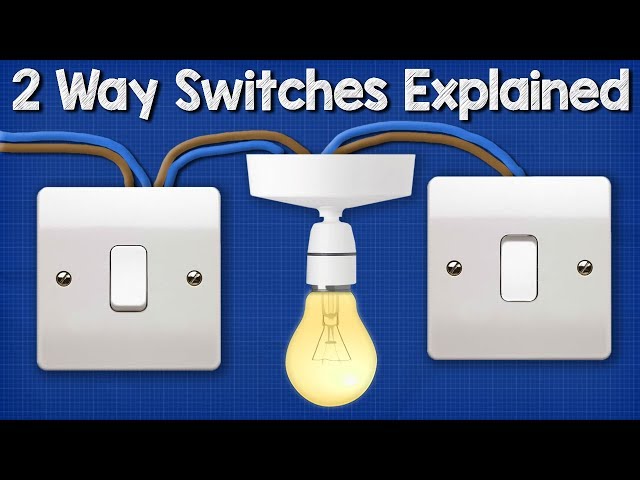
The wiring diagram for two switches and one light is shown below. The diagram shows the following components:
- Two switches
- One light
- Three wires
The three wires are connected as follows:
- The black wire is connected to the hot terminal of the light.
- The white wire is connected to the neutral terminal of the light.
- The red wire is connected to the common terminal of both switches.
When either switch is turned on, the red wire will be connected to the hot wire, and the light will turn on. When both switches are turned off, the red wire will be disconnected from the hot wire, and the light will turn off.
Wiring diagrams are an essential tool for anyone who works with electrical systems. They can help you to design, install, and troubleshoot electrical systems safely and efficiently.
Here are some of the benefits of using wiring diagrams:
- Wiring diagrams can help you to visualize the electrical system.
- Wiring diagrams can help you to identify potential problems.
- Wiring diagrams can help you to troubleshoot electrical problems.
If you are working with electrical systems, it is important to understand how to read and use wiring diagrams. Wiring diagrams can help you to work safely and efficiently with electrical systems.
Wiring for Two Switches and One Light
Wiring for two switches and one light is a common electrical task that requires understanding the basic principles of electricity. Here are seven key aspects to consider when wiring for two switches and one light:
- Circuit: The electrical circuit must be properly designed to ensure that the light operates correctly.
- Switches: The two switches must be compatible with the electrical circuit and the light.
- Light: The light must be compatible with the electrical circuit and the switches.
- Wiring: The wiring must be properly sized and installed to ensure that the electrical circuit is safe and operates correctly.
- Connections: The connections between the switches, the light, and the electrical circuit must be properly made to ensure that the light operates correctly.
- Safety: All electrical work must be performed in accordance with local building codes and electrical safety standards.
- Troubleshooting: If the light does not operate correctly, it is important to troubleshoot the electrical circuit to identify and fix any problems.
These seven key aspects are essential for understanding how to wire for two switches and one light. By following these aspects, you can ensure that the electrical circuit is safe and operates correctly.
Circuit
The electrical circuit is the path that electricity takes to flow from the power source to the light. The circuit must be properly designed to ensure that the light receives the correct amount of electricity to operate correctly. If the circuit is not properly designed, the light may not turn on, or it may flicker or dim.
There are a few key factors to consider when designing an electrical circuit for two switches and one light. First, the type of light must be taken into account. Incandescent lights, fluorescent lights, and LED lights all have different electrical requirements. The circuit must be designed to provide the correct voltage and amperage for the type of light being used.
Second, the location of the switches and the light must be considered. The circuit must be designed to allow the switches to control the light from the desired locations. The length of the wires used in the circuit must also be considered. The wires must be long enough to reach from the switches to the light, but not so long that they create a safety hazard.
Finally, the safety of the circuit must be considered. The circuit must be designed to prevent electrical shocks and fires. The wires must be properly insulated, and the circuit must be protected by a fuse or circuit breaker.
By following these guidelines, you can design an electrical circuit that will safely and effectively power your light.
Switches
When wiring for two switches and one light, it is important to select switches that are compatible with the electrical circuit and the light. The switches must be able to handle the amperage of the light and must be compatible with the type of light being used. For example, incandescent lights require a different type of switch than fluorescent lights.
Using incompatible switches can lead to a number of problems. If the switches are not rated for the amperage of the light, they may overheat and become a fire hazard. If the switches are not compatible with the type of light being used, the light may not turn on or may flicker.
Here are some tips for selecting the right switches for your wiring project:
Check the amperage rating of the light and make sure that the switches you select are rated for at least that amperage.Determine the type of light you are using and select switches that are compatible with that type of light.If you are unsure about which type of switches to use, consult with an electrician.
By following these tips, you can select the right switches for your wiring project and ensure that your light operates safely and efficiently.
Light
When wiring for two switches and one light, it is important to select a light that is compatible with the electrical circuit and the switches. The light must be able to handle the voltage and amperage of the circuit, and it must be compatible with the type of switches being used.
Using an incompatible light can lead to a number of problems. If the light is not rated for the voltage and amperage of the circuit, it may overheat and become a fire hazard. If the light is not compatible with the type of switches being used, it may not turn on or may flicker.
Here are some tips for selecting the right light for your wiring project:
Check the voltage and amperage rating of the electrical circuit and make sure that the light you select is rated for at least that voltage and amperage.Determine the type of switches you are using and select a light that is compatible with that type of switch.If you are unsure about which type of light to use, consult with an electrician.
By following these tips, you can select the right light for your wiring project and ensure that your light operates safely and efficiently.
Wiring
Proper wiring is essential for the safe and efficient operation of any electrical circuit, including those used for lighting. When wiring for two switches and one light, it is important to use the correct wire size and to install the wiring correctly. Using the wrong wire size or installing the wiring incorrectly can lead to a number of problems, including electrical fires, circuit overloads, and flickering lights.
The wire size used for a circuit is determined by the amperage of the circuit. The amperage of a circuit is the amount of electrical current that flows through the circuit. The higher the amperage, the larger the wire size that must be used. For a circuit with two switches and one light, the wire size must be able to handle the amperage of the light plus the amperage of both switches.
The wiring must also be installed correctly. This means that the wires must be properly connected to the switches and the light, and that the wires must be protected from damage. The wires should be run through conduit or cable, and the connections should be made with wire nuts or other approved methods.
By following these guidelines, you can ensure that the wiring for your two switches and one light is safe and operates correctly.
Connections
When wiring for two switches and one light, it is essential to make proper connections between the switches, the light, and the electrical circuit. Improper connections can lead to a number of problems, including electrical fires, circuit overloads, and flickering lights.
-
Electrical Safety
Proper connections are essential for electrical safety. Loose or faulty connections can create electrical arcs, which can ignite surrounding materials and cause fires. Additionally, improper connections can lead to circuit overloads, which can damage electrical equipment and pose a fire hazard.
-
Reliable Operation
Proper connections are also essential for reliable operation of the light. Loose or faulty connections can cause the light to flicker or turn off unexpectedly. Additionally, improper connections can increase the risk of electrical shocks.
-
Energy Efficiency
Proper connections can also improve the energy efficiency of the light. Loose or faulty connections can increase the resistance of the circuit, which can lead to energy loss and higher energy bills.
-
Code Compliance
In most areas, electrical work must be performed in accordance with local building codes. These codes typically require that electrical connections be made in a safe and workmanlike manner. Improper connections can lead to code violations, which can result in fines or other penalties.
By following these guidelines, you can ensure that the connections between the switches, the light, and the electrical circuit are safe, reliable, and code-compliant.
Safety
Electrical safety is of paramount importance when it comes to wiring for two switches and one light. Local building codes and electrical safety standards are in place to ensure that electrical work is performed safely and to minimize the risk of electrical fires, shocks, and other hazards.
One of the most important aspects of electrical safety is using the correct wire size. The wire size must be able to handle the amperage of the circuit without overheating. Using wire that is too small can lead to dangerous overheating and the potential for a fire.
Another important aspect of electrical safety is making proper connections. All connections must be tight and secure to prevent arcing and sparking. Loose connections can also lead to overheating and fires.
In addition to using the correct wire size and making proper connections, it is also important to use the correct type of electrical box. Electrical boxes are designed to protect the electrical connections from damage and to prevent the spread of fire.
By following these safety guidelines, you can help to ensure that your electrical work is safe and code-compliant.
Troubleshooting
When troubleshooting an electrical circuit for two switches and one light, it is important to follow a systematic approach to identify and fix any problems. The following steps can help you troubleshoot the circuit:
- Check the power source: Ensure that the power source is turned on and that the circuit breaker or fuse is not tripped.
- Check the switches: Make sure that both switches are turned on. If one or both switches are turned off, the light will not turn on.
- Check the light bulb: Replace the light bulb with a new one to see if that fixes the problem.
- Inspect the wiring: Look for any loose or damaged wires. Loose or damaged wires can prevent the light from turning on.
- Test the switches with a multimeter: Use a multimeter to test the switches to see if they are working properly.
Once you have completed these steps, you should be able to identify and fix the problem with the electrical circuit. If you are still unable to fix the problem, it is important to contact a qualified electrician for assistance.
In electrical wiring, controlling a single light source with two switches requires a specific configuration known as “wiring for two switches and one light.” This setup enables convenient light control from multiple locations, a common scenario in hallways, stairwells, and rooms with multiple entrances.
The primary benefit of this wiring method lies in its enhanced functionality. By installing two switches instead of one, occupants can turn the light on or off from either switch location, eliminating the need to walk back to the original switch. This convenience is particularly valuable in larger spaces or areas with multiple access points.
Historically, wiring for two switches and one light was achieved using three-way switches. However, modern electrical systems employ four-way switches, offering greater flexibility and allowing for even more complex lighting control scenarios.
Understanding the principles and techniques of “wiring for two switches and one light” is essential for electricians and homeowners alike. Proper installation ensures safe and efficient lighting control, enhancing convenience and functionality in various residential and commercial settings.
FAQs on Wiring for Two Switches and One Light
The following are frequently asked questions and answers on wiring for two switches and one light:
Question 1: What is the advantage of using two switches to control one light?
Answer: Using two switches provides convenient light control from multiple locations, allowing users to turn the light on or off from either switch, eliminating the need to walk back to the original switch.
Question 2: What type of switches are used for wiring two switches to one light?
Answer: Modern electrical systems typically use four-way switches for this purpose, although three-way switches were used in older installations.
Question 3: Is it difficult to wire two switches to one light?
Answer: While it requires some electrical knowledge and skills, it is not overly complex for experienced DIYers or electricians. However, it is always advisable to consult an electrician if unsure about any aspect of the installation.
Question 4: Are there any safety precautions to consider when wiring two switches to one light?
Answer: Yes, it is crucial to ensure that all electrical connections are tight and secure, and that the correct wire size is used to prevent overheating. Additionally, it is important to follow local electrical codes and standards for safe installation.
Question 5: Can I use smart switches for wiring two switches to one light?
Answer: Yes, smart switches can be used, providing additional features and remote control capabilities through smartphone apps or voice assistants.
Question 6: What is the difference between three-way and four-way switches?
Answer: Three-way switches have two terminals and are used for controlling lights from two different locations. Four-way switches have three terminals and are used for controlling lights from three or more locations.
Summary: Wiring for two switches and one light is a practical and convenient solution for controlling lighting from multiple locations. Understanding the basics of this wiring method and following safety precautions ensures a successful and safe installation.
Transition to the next article section: For more detailed information on wiring for two switches and one light, including diagrams and step-by-step instructions, please refer to our comprehensive guide on the topic.
Conclusion
In this article, we have explored the concept of wiring for two switches and one light, a common electrical configuration that provides convenient light control from multiple locations. We have discussed the benefits, types of switches used, safety considerations, and frequently asked questions to provide a comprehensive understanding of this wiring method.
Wiring for two switches and one light is a practical solution that enhances convenience and functionality in various residential and commercial settings. By following the principles and techniques outlined in this article, electricians and DIYers can confidently install and troubleshoot this wiring configuration, ensuring safe and efficient lighting control.
Youtube Video: