 Eckhard Ranulf Walter
6 Pin Trailer Wiring Diagram
A 6 pin trailer wiring diagram is a schematic representation of the electrical connections between a tow vehicle and a trailer. It shows the location, colour, and function of each wire in the trailer’s electrical system. This diagram is essential for ensuring that the trailer’s lights, brakes, and other electrical components are functioning properly.
There are several different types of 6 pin trailer wiring diagrams, depending on the year, make, and model of the tow vehicle and trailer. However, the basic principles are the same. The diagram will typically show:
- The location of the electrical connector on the tow vehicle and trailer
- The color and function of each wire in the connector
- The location of the fuse box and other electrical components on the trailer
To create a 6 pin trailer wiring diagram, you will need the following information:
- The year, make, and model of the tow vehicle and trailer
- The type of electrical connector used on the tow vehicle and trailer
- The function of each wire in the connector
Once you have this information, you can use a software program or online tool to create a wiring diagram. There are also many pre-made wiring diagrams available online.
Benefits of using a 6 pin trailer wiring diagram:
- Ensures that the trailer’s lights, brakes, and other electrical components are functioning properly
- Helps to troubleshoot electrical problems
- Can be used to add additional electrical components to the trailer
Conclusion:
A 6 pin trailer wiring diagram is an essential tool for anyone who tows a trailer. It can help to ensure that the trailer’s electrical system is functioning properly, troubleshoot electrical problems, and add additional electrical components to the trailer.
6 Pin Trailer Wiring Diagram
A 6 pin trailer wiring diagram is a crucial component for ensuring the proper functioning of a trailer’s electrical system. It provides a visual representation of the electrical connections between the tow vehicle and the trailer, allowing for troubleshooting and maintenance. Here are six key aspects of a 6 pin trailer wiring diagram:
- Connector Type: Identifies the specific type of electrical connector used, such as round or flat.
- Wire Colors: Specifies the color coding of each wire, which corresponds to its function.
- Circuit Functions: Defines the purpose of each circuit, such as lighting, brakes, or auxiliary power.
- Grounding: Indicates the proper grounding points for the trailer’s electrical system.
- Compatibility: Ensures that the wiring diagram matches the specific tow vehicle and trailer combination.
- Troubleshooting Guide: Provides guidance on diagnosing and resolving common electrical issues.
These aspects work together to create a comprehensive guide for understanding and maintaining a trailer’s electrical system. By understanding the connector type, wire colors, and circuit functions, technicians and trailer owners can ensure that the lighting, brakes, and other electrical components are operating safely and efficiently. The grounding aspect is critical for preventing electrical faults, while compatibility ensures that the wiring diagram aligns with the specific vehicle and trailer configurations. Finally, the troubleshooting guide provides valuable assistance in identifying and resolving electrical problems, reducing downtime and ensuring a smooth towing experience.
Connector Type
In the context of a 6 pin trailer wiring diagram, the connector type plays a crucial role in establishing a secure and functional electrical connection between the tow vehicle and the trailer. The type of connector used will depend on the specific vehicles involved and the industry standards for trailer wiring. Understanding the connector type is essential for proper installation, maintenance, and troubleshooting of the trailer’s electrical system.
The two most common types of connectors used in 6 pin trailer wiring diagrams are round and flat connectors. Round connectors are typically made of metal and feature a circular shape with pins or sockets for electrical connections. Flat connectors, on the other hand, are usually made of plastic and have a flat profile with blade terminals for electrical connections. Each type of connector has its own advantages and disadvantages, and the choice between them will depend on factors such as durability, ease of use, and cost.
By specifying the connector type in a 6 pin trailer wiring diagram, technicians and trailer owners can ensure that the correct connector is used for the specific application. This helps to prevent electrical faults, ensures proper functioning of the trailer’s lights, brakes, and other electrical components, and simplifies the troubleshooting process in case of any issues.
Wire Colors
In a 6 pin trailer wiring diagram, the color coding of each wire plays a critical role in ensuring the proper functioning of the trailer’s electrical system. The color coding establishes a standardized way to identify the purpose of each wire, simplifying the installation, maintenance, and troubleshooting processes. By adhering to the specified color coding, technicians and trailer owners can avoid electrical faults, ensure reliable operation of the trailer’s lights, brakes, and other electrical components, and minimize downtime in case of any issues.
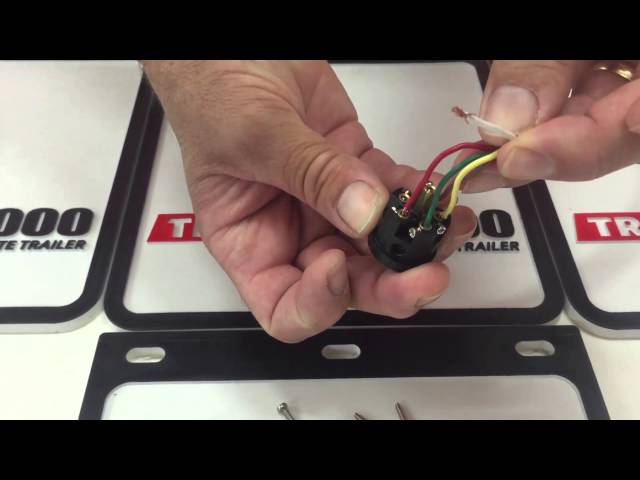
The color coding of wires in a 6 pin trailer wiring diagram is typically standardized across the industry, with each color corresponding to a specific function. For example, in a common color coding scheme, the brown wire is designated for taillights, the yellow wire for left turn signals, the green wire for right turn signals, the red wire for brake lights, the white wire for ground, and the blue wire for auxiliary power. By following this standardized color coding, technicians can quickly and easily identify the function of each wire, reducing the risk of incorrect connections and ensuring the proper operation of the trailer’s electrical system.
Understanding the connection between wire colors and their corresponding functions is essential for anyone working with 6 pin trailer wiring diagrams. This understanding enables efficient installation, maintenance, and troubleshooting of the trailer’s electrical system, ensuring the safety and reliability of the trailer’s operation. By adhering to the standardized color coding, technicians and trailer owners can minimize electrical faults, reduce downtime, and ensure that the trailer’s lights, brakes, and other electrical components function properly.
Circuit Functions
In a 6 pin trailer wiring diagram, circuit functions play a pivotal role in ensuring the proper operation of the trailer’s electrical system. Circuit functions define the specific purpose of each circuit, such as lighting, brakes, or auxiliary power, providing a clear understanding of how the electrical system is designed to operate. This knowledge is crucial for technicians and trailer owners to effectively troubleshoot, maintain, and modify the trailer’s electrical system.
-
Lighting Circuit:
The lighting circuit is responsible for powering the trailer’s lights, including taillights, brake lights, turn signals, and clearance lights. Proper functioning of the lighting circuit is essential for ensuring the visibility of the trailer, especially during nighttime or in low-visibility conditions.
-
Brakes Circuit:
The brakes circuit is responsible for powering the trailer’s brakes. This circuit is critical for the safety of the towing vehicle and the trailer, as it enables the trailer’s brakes to be activated in sync with the tow vehicle’s brakes. Proper functioning of the brakes circuit is essential to maintain control and prevent accidents.
-
Auxiliary Power Circuit:
The auxiliary power circuit provides power to additional electrical components or accessories installed on the trailer, such as a refrigerator, battery charger, or electric brakes. This circuit allows for the convenient use of additional electrical devices without overloading the tow vehicle’s electrical system.
Understanding the circuit functions in a 6 pin trailer wiring diagram is essential for ensuring the safe and reliable operation of the trailer’s electrical system. By comprehending the purpose of each circuit, technicians and trailer owners can effectively troubleshoot electrical issues, make informed decisions about modifications, and maintain the trailer’s electrical system in optimal condition for years to come.
Grounding
Grounding is a crucial aspect of any electrical system, including the electrical system of a trailer. In a 6 pin trailer wiring diagram, grounding indicates the proper grounding points for the trailer’s electrical system, ensuring that the electrical system functions properly and safely.
- Electrical Safety: Grounding provides a path for electrical current to return to its source, preventing voltage buildup and electrical shock. Proper grounding ensures the safety of individuals working on or around the trailer’s electrical system.
- System Stability: Grounding stabilizes the electrical system by providing a reference point for voltage. This stability helps prevent electrical fluctuations and ensures the reliable operation of the trailer’s lights, brakes, and other electrical components.
- Component Protection: Grounding protects electrical components from damage caused by electrical surges or faults. By providing a safe path for excess current to flow, grounding prevents damage to sensitive electrical components.
- Troubleshooting: Proper grounding simplifies troubleshooting electrical issues. By following the grounding points indicated in the 6 pin trailer wiring diagram, technicians can quickly identify and resolve grounding-related problems, reducing downtime and ensuring efficient repairs.
Understanding the importance of grounding and adhering to the grounding points specified in a 6 pin trailer wiring diagram is essential for the safe and reliable operation of the trailer’s electrical system. Proper grounding ensures that the electrical system functions as intended, protects against electrical hazards, and facilitates efficient troubleshooting, contributing to the overall safety and functionality of the trailer.
Compatibility
Compatibility is a critical aspect of a 6 pin trailer wiring diagram as it ensures that the electrical system of the tow vehicle and trailer are properly matched. The wiring diagram must be compatible with the specific make, model, and year of both the tow vehicle and the trailer to ensure proper functioning of the trailer’s lights, brakes, and other electrical components.
When a 6 pin trailer wiring diagram is compatible with the specific tow vehicle and trailer combination, it ensures that:
Electrical Safety: The wiring diagram takes into account the electrical specifications of both the tow vehicle and the trailer, ensuring that the electrical systems are compatible and preventing any electrical hazards or damage.Optimal Performance: The wiring diagram matches the specific electrical requirements of the trailer, ensuring that the lights, brakes, and other electrical components function optimally.Reliable Connection: The wiring diagram provides a secure and reliable connection between the tow vehicle and the trailer, preventing any intermittent or faulty electrical connections.
Using a 6 pin trailer wiring diagram that is compatible with the specific tow vehicle and trailer combination is essential for the safe and reliable operation of the trailer. It ensures that the electrical systems of the tow vehicle and trailer are properly matched, preventing electrical hazards, optimizing performance, and providing a reliable connection for the trailer’s electrical components.
Troubleshooting Guide
Within the context of a 6 pin trailer wiring diagram, the troubleshooting guide plays a pivotal role in ensuring the efficient diagnosis and resolution of common electrical issues. By providing step-by-step instructions, diagnostic procedures, and potential solutions, the troubleshooting guide empowers users to identify and address electrical problems in the trailer’s lighting, braking, and other electrical systems.
The troubleshooting guide is an invaluable component of the 6 pin trailer wiring diagram as it offers practical guidance for resolving common electrical issues without the need for professional assistance. This not only saves time and resources but also promotes a deeper understanding of the trailer’s electrical system, enabling users to maintain and repair their trailers more effectively.
For instance, if the trailer’s taillights are not functioning, the troubleshooting guide may lead users through a series of diagnostic steps, such as checking the bulbs, inspecting the wiring for damage, and testing the electrical connections. By following these steps, users can pinpoint the root cause of the issue and apply the appropriate solution, such as replacing a blown bulb or repairing a damaged wire.
Understanding the connection between the troubleshooting guide and the 6 pin trailer wiring diagram is crucial for the effective maintenance and repair of trailers. The troubleshooting guide provides users with the knowledge and tools to diagnose and resolve electrical issues, ensuring the safety, reliability, and optimal performance of their trailers.
A 6 pin trailer wiring diagram is a visual representation of the electrical connections between a tow vehicle and a trailer. It serves as a guide for proper installation, maintenance, and troubleshooting of the trailer’s electrical system, ensuring the safe and reliable operation of the trailer’s lights, brakes, and other electrical components.
The diagram specifies the type of electrical connector used, the color coding of each wire, the function of each circuit, the proper grounding points, and the compatibility with specific tow vehicle and trailer combinations. Adhering to the 6 pin trailer wiring diagram helps prevent electrical faults, ensures optimal performance, and simplifies troubleshooting.
Understanding and utilizing a 6 pin trailer wiring diagram is crucial for anyone involved in the towing and maintenance of trailers. It empowers individuals to confidently handle electrical issues, reducing downtime and ensuring the safety and functionality of their trailers on the road.
FAQs on 6 Pin Trailer Wiring Diagrams
This section addresses frequently asked questions regarding 6 pin trailer wiring diagrams to provide clarity and enhance understanding.
Question 1: What is the significance of a 6 pin trailer wiring diagram?
Answer: A 6 pin trailer wiring diagram is a crucial guide for installing, maintaining, and troubleshooting the electrical system of a trailer. It ensures proper connections between the tow vehicle and the trailer, enabling the safe and reliable operation of the trailer’s lights, brakes, and other electrical components.
Question 2: How do I determine the correct 6 pin trailer wiring diagram for my specific tow vehicle and trailer combination?
Answer: Refer to the manufacturer’s guidelines or consult with a qualified automotive electrician to obtain the appropriate 6 pin trailer wiring diagram that corresponds to the specific make, model, and year of your tow vehicle and trailer.
Question 3: What are the potential consequences of using an incorrect 6 pin trailer wiring diagram?
Answer: Using an incorrect diagram can lead to electrical malfunctions, such as improper lighting, brake failure, or damage to the electrical components of the tow vehicle or trailer. It can also compromise the safety and reliability of the trailer while on the road.
Question 4: How can I troubleshoot electrical issues using a 6 pin trailer wiring diagram?
Answer: The 6 pin trailer wiring diagram provides a roadmap for diagnosing and resolving electrical problems. By following the diagram and conducting systematic checks, you can identify the source of the issue and apply appropriate solutions, such as repairing damaged wires or replacing faulty components.
Question 5: What safety precautions should I observe when working with a 6 pin trailer wiring diagram?
Answer: Always disconnect the battery before performing any electrical work on the trailer. Wear appropriate safety gear, including gloves and safety glasses. Use insulated tools and ensure the work area is well-ventilated to avoid electrical shock or other hazards.
Question 6: Can I modify a 6 pin trailer wiring diagram to suit my specific needs?
Answer: While it is possible to make modifications, it is strongly recommended against altering the original diagram. Modifications should only be attempted by qualified automotive electricians to maintain the integrity and safety of the electrical system.
Summary: Understanding and adhering to a 6 pin trailer wiring diagram is essential for the proper functioning and safety of your trailer’s electrical system. Refer to the manufacturer’s guidelines, consult with experts when needed, and always prioritize safety when working with electrical components.
Transition to the next article section: To delve deeper into the intricacies of 6 pin trailer wiring diagrams, explore the following resources…
Conclusion on 6 Pin Trailer Wiring Diagrams
6 pin trailer wiring diagrams play a pivotal role in ensuring the safe and reliable operation of trailer electrical systems. Understanding and utilizing these diagrams empowers individuals to confidently maintain, troubleshoot, and modify their trailer’s electrical components.
This exploration of 6 pin trailer wiring diagrams has highlighted their significance, emphasizing the potential consequences of using incorrect diagrams and the importance of adhering to manufacturer guidelines. The provided FAQs address common concerns, offering practical guidance for navigating the complexities of trailer electrical systems.
As technology advances and trailer designs evolve, the understanding of 6 pin trailer wiring diagrams will remain fundamental for ensuring the optimal performance and safety of trailers on the road. By embracing a proactive approach to electrical maintenance and troubleshooting, individuals can contribute to the longevity and reliability of their trailers, enhancing their towing experience.
Youtube Video: