 Eckhard Ranulf Walter
4-Wire Honeywell Thermostat Wiring Chart and Diagram
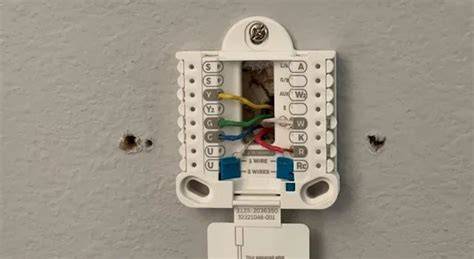
A 4-wire Honeywell thermostat wiring chart or diagram acts as a visual guide that illustrates the correct wiring connections between a 4-wire Honeywell thermostat and an HVAC system. These charts and diagrams are crucial for ensuring the proper functionality and efficiency of the thermostat and the entire HVAC system.
To create a 4-wire Honeywell thermostat wiring chart or diagram, follow these steps:
- Identify the specific model of your Honeywell thermostat. Different models may have slightly different wiring requirements.
- Locate the wiring terminals on both the thermostat and the HVAC system. These terminals are typically labeled with letters or numbers.
- Refer to the manufacturer’s instructions or the wiring diagram provided with the thermostat. This documentation will specify the correct wire connections for your specific model.
- Connect the wires from the thermostat to the corresponding terminals on the HVAC system, following the instructions carefully.
- Secure the wire connections using wire nuts or other appropriate methods.
- Turn on the power to the thermostat and the HVAC system, and test the functionality of the thermostat.
Benefits of using a 4-wire Honeywell thermostat wiring chart or diagram:
- Ensures accurate wiring connections, reducing the risk of errors and malfunctions.
- Provides a clear visual representation of the wiring system, making it easier to troubleshoot and maintain.
- Helps avoid potential safety hazards associated with incorrect wiring.
- Saves time and effort during installation and maintenance.
Overall, a 4-wire Honeywell thermostat wiring chart or diagram is an essential tool for ensuring the proper installation, operation, and maintenance of your Honeywell thermostat and HVAC system.
4-Wire Honeywell Thermostat Wiring
Understanding the essential aspects of 4-wire Honeywell thermostat wiring is crucial for ensuring the proper installation, operation, and maintenance of your Honeywell thermostat and HVAC system. Here are six key aspects to consider:
- Compatibility: Ensuring compatibility between the thermostat and the HVAC system is essential for proper functionality.
- Wiring Diagram: Referring to the manufacturer’s wiring diagram for specific wire connections is crucial for accurate wiring.
- Terminal Identification: Correctly identifying the terminals on both the thermostat and the HVAC system is essential for proper wire connections.
- Secure Connections: Using appropriate methods to secure wire connections, such as wire nuts, ensures a reliable connection.
- Testing: Testing the functionality of the thermostat after installation is essential to ensure proper operation.
- Troubleshooting: Having a basic understanding of troubleshooting techniques can help identify and resolve any issues with the wiring.
These aspects are interconnected and play vital roles in the overall performance of the 4-wire Honeywell thermostat wiring system. For instance, ensuring compatibility between the thermostat and the HVAC system prevents potential malfunctions and ensures efficient operation. Referencing the wiring diagram and correctly identifying the terminals ensure accurate wire connections, reducing the risk of errors and safety hazards. Secure connections prevent loose wires and maintain a stable electrical connection. Testing the functionality of the thermostat after installation ensures that the wiring is correct and the system is operating as intended. Finally, having a basic understanding of troubleshooting techniques empowers individuals to identify and resolve minor issues with the wiring, saving time and effort.
Compatibility
In the context of 4-wire Honeywell thermostat wiring, compatibility plays a pivotal role in ensuring seamless operation and efficient performance. Compatibility refers to the ability of the thermostat to communicate effectively with the HVAC system, allowing for proper control and regulation of heating and cooling functions.
- Electrical Compatibility: The thermostat and the HVAC system must be electrically compatible to ensure proper voltage and current flow. Mismatched electrical requirements can lead to malfunctions, damage to components, or even safety hazards.
- Communication Protocol Compatibility: Different thermostats and HVAC systems use specific communication protocols to exchange data and commands. Ensuring compatibility between these protocols is crucial for effective communication and proper system operation.
- System Functionality Compatibility: The thermostat and the HVAC system must be compatible in terms of their functional capabilities. For instance, a thermostat with advanced features such as programmable scheduling or remote access may not be compatible with an older HVAC system that lacks the necessary capabilities.
- Load Compatibility: The thermostat must be capable of handling the electrical load of the HVAC system. Exceeding the load capacity of the thermostat can lead to overheating, damage to components, or even electrical fires.
By ensuring compatibility between the 4-wire Honeywell thermostat and the HVAC system, homeowners and technicians can avoid potential issues, enhance system efficiency, and prolong the lifespan of both the thermostat and the HVAC system.
Wiring Diagram
In the context of 4-wire Honeywell thermostat wiring, the wiring diagram serves as a roadmap for establishing precise electrical connections between the thermostat and the HVAC system. Its importance stems from the need for accurate wiring to ensure proper system operation, safety, and efficiency.
The wiring diagram provides detailed instructions on which wire from the thermostat should be connected to which terminal on the HVAC system. This information is crucial because different wires serve specific functions, such as power supply, heating control, cooling control, and fan operation. Incorrect wiring can lead to malfunctions, system damage, or even electrical hazards.
For example, if the wire intended for the heating control terminal is accidentally connected to the cooling control terminal, the heating system may not function properly, leading to an uncomfortable indoor environment. Moreover, incorrect wiring can put undue stress on electrical components, potentially causing premature failure or even electrical fires.
Referring to the manufacturer’s wiring diagram is essential because it eliminates guesswork and ensures that the wiring is done correctly the first time. By following the diagram meticulously, homeowners and technicians can avoid costly mistakes, ensure system reliability, and prolong the lifespan of both the thermostat and the HVAC system.
In summary, the wiring diagram is an indispensable tool for 4-wire Honeywell thermostat wiring. It provides the precise instructions needed for accurate electrical connections, which are crucial for proper system operation, safety, and efficiency.
Terminal Identification
In the context of 4-wire Honeywell thermostat wiring, terminal identification plays a crucial role in ensuring accurate and secure electrical connections. Terminals are the points on the thermostat and the HVAC system where the wires are connected. Correctly identifying these terminals is essential to prevent wiring errors, system malfunctions, and potential safety hazards.
- Matching Wire Functions to Terminals: Each terminal on both the thermostat and the HVAC system is designed for a specific function, such as power supply, heating control, cooling control, or fan operation. Correctly identifying the terminals ensures that each wire is connected to the appropriate terminal, allowing the thermostat to properly control the HVAC system.
- Color-Coded Terminals: Many thermostats and HVAC systems use color-coded terminals to simplify identification. Matching the wire colors to the corresponding terminal colors helps prevent wiring errors and ensures accurate connections.
- Terminal Labels: Some thermostats and HVAC systems have terminals that are labeled with letters or numbers. These labels correspond to the specific functions of each terminal, providing a clear and easy way to identify them.
- Reference Wiring Diagrams: The manufacturer’s wiring diagram for the thermostat and the HVAC system provides detailed information on the terminal connections. Referring to these diagrams ensures that the wires are connected to the correct terminals.
By correctly identifying the terminals on both the thermostat and the HVAC system, homeowners and technicians can ensure that the wiring is done correctly, minimizing the risk of errors and malfunctions. Accurate terminal identification is a fundamental aspect of 4-wire Honeywell thermostat wiring, contributing to the safe, efficient, and reliable operation of the HVAC system.
Secure Connections
In the context of 4-wire Honeywell thermostat wiring, secure connections are paramount for ensuring a reliable and long-lasting electrical connection between the thermostat and the HVAC system. Loose or improperly secured wire connections can lead to a myriad of issues, including system malfunctions, electrical hazards, and reduced efficiency.
Wire nuts are a common and effective method for securing wire connections in 4-wire Honeywell thermostat wiring. They create a strong mechanical and electrical bond between the wires, preventing them from coming loose or making poor contact. Properly installed wire nuts ensure that the electrical current flows smoothly and consistently through the connection, minimizing the risk of arcing, overheating, and potential electrical fires.
For instance, consider a situation where the wire connection between the thermostat and the HVAC system’s heating control terminal is loose. This loose connection can lead to intermittent heating operation, uneven temperatures, and increased energy consumption. In severe cases, a loose connection can cause the heating system to malfunction completely, leaving the occupants in an uncomfortable and potentially dangerous situation.
By using appropriate methods to secure wire connections, such as wire nuts, homeowners and technicians can ensure that the electrical connections in their 4-wire Honeywell thermostat wiring are reliable and long-lasting. This contributes to the overall safety, efficiency, and performance of the HVAC system, providing peace of mind and a comfortable indoor environment.
Testing
Testing the functionality of the thermostat after installation is a crucial step in 4-wire Honeywell thermostat wiring. This step ensures that the thermostat is properly connected to the HVAC system and is operating as intended. Without proper testing, there is an increased risk of malfunctions, system failures, and potential safety hazards.
For example, consider a situation where a 4-wire Honeywell thermostat is installed but not tested afterward. The installer may have made a mistake in the wiring connections, such as accidentally connecting the heating wire to the cooling terminal. This error would not be immediately apparent and could lead to the heating system not functioning properly or even causing a safety hazard.
By testing the thermostat after installation, homeowners and technicians can verify that the wiring is correct and that the thermostat is communicating effectively with the HVAC system. This testing process typically involves setting the thermostat to different temperatures and checking if the HVAC system responds accordingly. By doing so, any potential issues can be identified and corrected before they lead to more serious problems.
In summary, testing the functionality of the thermostat after installation is an essential part of 4-wire Honeywell thermostat wiring. This step helps ensure that the thermostat is properly connected and operating correctly, preventing potential malfunctions, system failures, and safety hazards.
Troubleshooting
In the context of 4-wire Honeywell thermostat wiring, having a basic understanding of troubleshooting techniques is essential for identifying and resolving any issues that may arise during or after installation. Troubleshooting involves a systematic approach to diagnosing and rectifying problems in the wiring system, ensuring the proper operation and safety of the HVAC system.
Consider a scenario where a 4-wire Honeywell thermostat has been installed, but the heating system is not functioning correctly. By applying troubleshooting techniques, one can methodically check each component of the wiring system, starting from the power supply and working through the thermostat and HVAC system connections. This process of elimination helps identify the source of the problem, whether it be a loose connection, a faulty wire, or a malfunctioning component.
Possessing basic troubleshooting skills empowers homeowners and technicians to address minor wiring issues themselves, saving time and expenses on professional repairs. Moreover, it promotes a proactive approach to system maintenance, as regular inspections and testing can help identify potential problems before they escalate into major malfunctions.
In summary, having a basic understanding of troubleshooting techniques is a valuable asset in the context of 4-wire Honeywell thermostat wiring. It enables individuals to identify and resolve wiring issues efficiently, ensuring the optimal performance, safety, and longevity of the HVAC system.
4-Wire Honeywell Thermostat Wiring
In the realm of home comfort systems, thermostats play a crucial role in regulating temperature and ensuring energy efficiency. Among the various types of thermostats available, the 4-wire Honeywell thermostat stands out as a reliable and versatile option for controlling heating and cooling systems. Its straightforward wiring process makes it suitable for both DIY enthusiasts and professional installers.
4-wire Honeywell thermostats are typically used in residential and light commercial applications. They derive their name from the four wires that connect them to the HVAC (heating, ventilation, and air conditioning) system: red (24 volts), white (heat), green (fan), and yellow (cooling). These wires transmit signals between the thermostat and the HVAC system, allowing the thermostat to adjust temperature settings and control the operation of the heating and cooling equipment.
The benefits of using a 4-wire Honeywell thermostat are numerous. These thermostats are known for their accuracy, durability, and ease of use. They offer precise temperature control, helping to maintain a comfortable indoor environment while optimizing energy consumption. Additionally, their compatibility with a wide range of HVAC systems makes them a versatile choice for various heating and cooling needs.
Installing a 4-wire Honeywell thermostat typically involves identifying the wires, connecting them to the appropriate terminals on the thermostat and the HVAC system, and securing the connections. Detailed instructions are usually provided with the thermostat, making the process relatively straightforward for those with basic electrical knowledge.
Overall, 4-wire Honeywell thermostats offer a cost-effective and reliable solution for temperature control in residential and commercial buildings. Their ease of installation, accuracy, and durability make them a popular choice among homeowners and HVAC professionals alike.
Frequently Asked Questions about 4-Wire Honeywell Thermostat Wiring
This section addresses common questions and concerns regarding the wiring of 4-wire Honeywell thermostats. These FAQs aim to provide clear and concise answers, assisting homeowners and technicians in the successful installation and maintenance of these thermostats.
Question 1: What are the four wires used in 4-wire Honeywell thermostats?
Answer: The four wires used in 4-wire Honeywell thermostats are:
- Red (24 volts)
- White (heat)
- Green (fan)
- Yellow (cooling)
Question 2: Which wire should I connect to the “C” terminal on my thermostat?
Answer: The “C” terminal on a 4-wire Honeywell thermostat is typically not used. If your thermostat has a “C” terminal, leave it unconnected.
Question 3: What do I do if I have a 5-wire thermostat and an HVAC system with only four wires?
Answer: If your 5-wire thermostat has a “C” wire, you can connect it to the “Rc” terminal on the thermostat. The “C” wire is not essential for the operation of a 4-wire Honeywell thermostat.
Question 4: Why is my thermostat not turning on the heating or cooling system?
Answer: There could be several reasons why your thermostat is not turning on the heating or cooling system. Check the following:
- Ensure that the thermostat is properly installed and wired.
- Verify that the HVAC system is turned on and receiving power.
- Replace the batteries in the thermostat.
- Check if the thermostat is set to the correct mode (heat or cool).
- Inspect the wires for any loose connections or damage.
Question 5: How do I troubleshoot a 4-wire Honeywell thermostat?
Answer: Troubleshooting a 4-wire Honeywell thermostat involves a systematic approach to identify and resolve any issues. Start by checking the power supply, wiring connections, and thermostat settings. If the problem persists, refer to the manufacturer’s instructions or consult a qualified electrician.
Question 6: Can I install a 4-wire Honeywell thermostat myself?
Answer: Installing a 4-wire Honeywell thermostat is a relatively straightforward process that can be completed by homeowners with basic electrical knowledge. However, if you are not comfortable working with electrical systems, it is recommended to hire a qualified electrician.
Summary of key takeaways or final thought: Understanding the wiring of 4-wire Honeywell thermostats is crucial for ensuring proper installation and operation. By addressing common concerns and providing clear answers, these FAQs empower individuals to confidently tackle thermostat wiring tasks and maintain a comfortable indoor environment.
Transition to the next article section: The following section delves into advanced troubleshooting techniques for 4-wire Honeywell thermostats, guiding users through more complex issues and potential solutions.
Conclusion
In the realm of home comfort systems, the mastery of 4-wire Honeywell thermostat wiring is a fundamental skill for ensuring optimal performance, efficiency, and occupant comfort. Throughout this comprehensive guide, we have explored the intricacies of this wiring process, providing detailed explanations, troubleshooting tips, and frequently asked questions.
From identifying the four essential wires to understanding the significance of secure connections and proper testing procedures, we have endeavored to empower homeowners and technicians alike with the knowledge and confidence to tackle thermostat wiring tasks with precision. By adhering to the guidelines outlined herein and leveraging the resources provided, individuals can ensure the seamless integration of their 4-wire Honeywell thermostats into their HVAC systems.
As technology continues to advance and HVAC systems become more sophisticated, a thorough understanding of thermostat wiring will remain paramount. This guide serves as a valuable resource for those seeking to stay abreast of best practices and maintain a comfortable and energy-efficient indoor environment.
Youtube Video: