 Eckhard Ranulf Walter
7-Way Trailer Wiring Diagram with Brakes
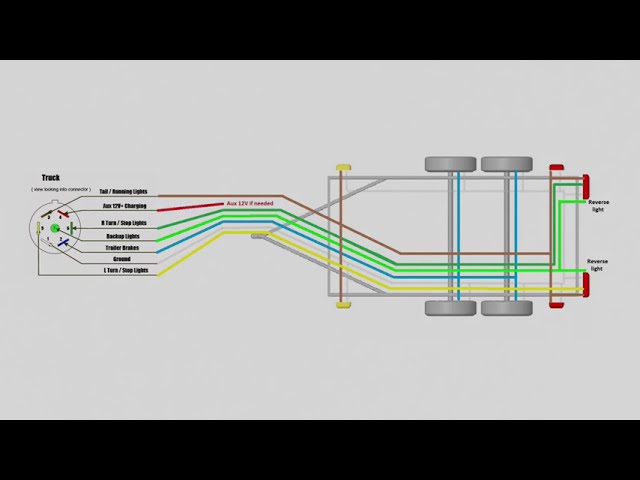
A 7-way trailer wiring diagram with brakes is a schematic that shows how to connect the electrical system of a tow vehicle to the electrical system of a trailer. This type of diagram is important for ensuring that the trailer’s lights, brakes, and other electrical components function properly.
There are a few different ways to create a 7-way trailer wiring diagram with brakes. One common method is to use a pre-made wiring harness. These harnesses are available at most auto parts stores and come with all of the necessary wires and connectors. Another method is to create your own wiring harness using individual wires and connectors.
If you are creating your own wiring harness, it is important to follow the steps below carefully:
- Gather the necessary materials. You will need the following:
- 7-way trailer connector
- 12-gauge wire
- Electrical tape
- Wire strippers
- Crimping tool
Determine the length of wire you need. The length of wire will vary depending on the distance between the tow vehicle and the trailer.Cut the wire to the desired length.Strip the ends of the wire about 1/2 inch.Crimp the appropriate connectors onto the ends of the wire.Connect the wires to the 7-way trailer connector.Test the wiring harness to make sure that it is working properly.
Once you have created your wiring harness, you can install it on your tow vehicle and trailer. Be sure to follow the manufacturer’s instructions for installation.
7-way trailer wiring diagrams with brakes are an important part of ensuring that your trailer is safe and roadworthy. By following the steps above, you can create your own wiring harness and save yourself the cost of having it professionally installed.
7-Way Trailer Wiring Diagram with Brakes
A 7-way trailer wiring diagram with brakes is an essential component for ensuring the safe and proper operation of a trailer. Understanding the key aspects of these diagrams is crucial for anyone who tows a trailer.
- Connector: The 7-way connector is the heart of the wiring diagram, providing the electrical connection between the tow vehicle and the trailer.
- Wiring: The wiring harness consists of seven color-coded wires that carry various electrical signals, including power, ground, and brake lights.
- Lights: The wiring diagram ensures that the trailer’s lights, including taillights, brake lights, and turn signals, function properly.
- Brakes: The brake controller, connected via the wiring diagram, allows the tow vehicle’s brake pedal to activate the trailer’s brakes.
- Ground: A proper ground connection is essential for the proper functioning of the electrical system.
- Safety: A correctly wired trailer ensures that all electrical components are functioning properly, enhancing safety on the road.
- Maintenance: Regular inspection and maintenance of the wiring diagram are crucial for preventing electrical issues and ensuring reliability.
- Troubleshooting: Understanding the wiring diagram is essential for troubleshooting and resolving any electrical problems that may arise.
These key aspects are interconnected and work together to ensure the safe and efficient operation of a trailer. By understanding these aspects, individuals can properly install, maintain, and troubleshoot 7-way trailer wiring diagrams with brakes, ensuring the safety and functionality of their trailers.
Connector
The 7-way connector is a crucial component of a 7-way trailer wiring diagram with brakes. It serves as the central point of connection between the electrical systems of the tow vehicle and the trailer, allowing for the transmission of power, ground, and various electrical signals.
Without a properly functioning 7-way connector, the trailer’s lights, brakes, and other electrical components would not be able to operate correctly. This could lead to safety hazards, such as the inability to signal turns or brake effectively.
The 7-way connector typically consists of seven color-coded wires, each serving a specific function. These wires are connected to the corresponding terminals on the tow vehicle’s electrical system, as well as to the trailer’s electrical components.
Proper installation and maintenance of the 7-way connector is essential for ensuring the reliable operation of a trailer. Regularly inspecting the connector for damage, corrosion, or loose connections can help prevent electrical issues and ensure the safety and functionality of the trailer.
Understanding the connection between the 7-way connector and the 7-way trailer wiring diagram with brakes is crucial for anyone who tows a trailer. By recognizing the importance of this component and ensuring its proper functioning, individuals can contribute to the overall safety and efficiency of their towing setup.
Wiring
The wiring harness is a fundamental component of a 7-way trailer wiring diagram with brakes. It consists of seven color-coded wires that are responsible for transmitting power, ground, and various electrical signals between the tow vehicle and the trailer, enabling the proper functioning of the trailer’s lights, brakes, and other electrical components.
- Components and Functions: The seven wires in the wiring harness each serve a specific function, such as providing power to the trailer’s lights, grounding the electrical system, controlling the brakes, and transmitting turn signal and hazard light signals.
- Color Coding: The wires are color-coded to facilitate easy identification and connection during installation. The standard color coding ensures consistency across different wiring harnesses and makes it easier for individuals to follow the wiring diagram and make the correct connections.
- Durability and Protection: The wiring harness is typically enclosed in a protective sheath or conduit to protect the wires from damage, moisture, and wear. This ensures the reliability and longevity of the electrical connection between the tow vehicle and the trailer.
Understanding the connection between the wiring harness and the 7-way trailer wiring diagram with brakes is crucial for ensuring the proper installation, maintenance, and troubleshooting of trailer electrical systems. By recognizing the role and functions of each wire, individuals can effectively connect and maintain the wiring harness, contributing to the safe and efficient operation of their trailers.
Lights
The connection between “Lights: The wiring diagram ensures that the trailer’s lights, including taillights, brake lights, and turn signals, function properly.” and “7-way trailer wiring diagram with brakes” is crucial for understanding the importance of proper lighting in trailer operation and the role of the wiring diagram in achieving this.
Cause and Effect: Properly functioning lights on a trailer are essential for safety on the road. They allow other drivers to see the trailer, especially during nighttime or inclement weather conditions. Without a properly functioning wiring diagram, the trailer’s lights may not work correctly, which could lead to accidents.
Importance of Lights: The taillights of a trailer indicate its presence on the road, while the brake lights signal the driver’s intention to slow down or stop. Turn signals are equally important, as they communicate the trailer’s intended direction changes. A properly functioning 7-way trailer wiring diagram with brakes ensures that all these lights work seamlessly.
Practical Significance: Understanding the connection between the wiring diagram and the trailer’s lights empowers individuals to troubleshoot and resolve electrical issues related to lighting. This is important for ensuring the safety and legality of the trailer’s operation.
Conclusion: The wiring diagram for a 7-way trailer with brakes plays a critical role in ensuring that the trailer’s lights function properly. Understanding this connection is essential for the safe and efficient operation of trailers, contributing to overall road safety.
Brakes
The connection between “Brakes: The brake controller, connected via the wiring diagram, allows the tow vehicle’s brake pedal to activate the trailer’s brakes.” and “7-way trailer wiring diagram with brakes” is crucial for understanding the importance of synchronized braking in trailer operation and the role of the wiring diagram in achieving this.
- Braking Synchronization: A properly functioning 7-way trailer wiring diagram with brakes ensures that when the driver applies the brake pedal in the tow vehicle, the trailer’s brakes are also activated, creating a synchronized braking system. This is essential for maintaining control and stability of the entire towing unit, especially during emergency braking situations.
- Safety Enhancements: Synchronized braking contributes to overall road safety by reducing the risk of jackknifing, trailer sway, and other hazardous situations that can occur if the trailer’s brakes are not properly activated. It also improves the driver’s ability to maintain control of the vehicle, even when towing heavy loads.
- Legal Compliance: In many jurisdictions, it is a legal requirement to have a properly functioning brake controller and wiring diagram for trailers that exceed a certain weight or size. This ensures that trailers are equipped with adequate braking capabilities, contributing to overall road safety.
- Compatibility and Customization: The 7-way trailer wiring diagram with brakes allows for the installation of a brake controller that is compatible with the specific towing vehicle and trailer combination. This customization ensures optimal braking performance and prevents potential issues or damage to the braking system.
Understanding the connection between the wiring diagram and the trailer’s braking system empowers individuals to make informed decisions regarding the selection, installation, and maintenance of these components. It also highlights the importance of regular inspections and servicing to ensure that the braking system is functioning properly, contributing to the safety and reliability of the towing experience.
Ground
The connection between “Ground: A proper ground connection is essential for the proper functioning of the electrical system.” and “7-way trailer wiring diagram with brakes” lies in the crucial role that grounding plays in ensuring the safe and reliable operation of the trailer’s electrical system.
Electrical Circuit: In any electrical circuit, a proper ground connection provides a complete path for the flow of electricity. Without a proper ground, the electrical circuit cannot be completed, and the electrical system will not function correctly. In the context of a 7-way trailer wiring diagram with brakes, the ground wire provides this essential path, allowing electricity to flow from the tow vehicle to the trailer’s electrical components and back.
Safety and Reliability: A proper ground connection is essential for the safety and reliability of the trailer’s electrical system. Without a good ground, electrical faults can occur, which can lead to various issues such as flickering lights, malfunctioning brakes, or even electrical fires. A properly grounded system minimizes the risk of these problems, ensuring the safe and reliable operation of the trailer.
Troubleshooting and Maintenance: Understanding the importance of grounding in a 7-way trailer wiring diagram with brakes is also crucial for troubleshooting and maintenance. If electrical issues arise, checking the ground connection should be a priority, as a faulty ground can often be the root cause of the problem. Regular inspection and maintenance of the ground wire and connection points can help prevent electrical issues and ensure the continued reliability of the trailer’s electrical system.
In summary, the connection between “Ground: A proper ground connection is essential for the proper functioning of the electrical system.” and “7-way trailer wiring diagram with brakes” emphasizes the critical role of grounding in ensuring the safety, reliability, and proper operation of the trailer’s electrical system. Understanding this connection empowers individuals to maintain and troubleshoot the electrical system effectively, contributing to the overall safety and functionality of their trailers.
Safety
The connection between “Safety: A correctly wired trailer ensures that all electrical components are functioning properly, enhancing safety on the road.” and “7-way trailer wiring diagram with brakes” lies in the crucial role that a properly wired trailer plays in ensuring the safe operation of the trailer and other vehicles on the road.
Electrical System Integrity: A correctly wired trailer, as enabled by a 7-way trailer wiring diagram with brakes, ensures that all electrical components, including lights, brakes, and turn signals, are functioning properly. This is essential for maintaining visibility, communicating intentions, and preventing accidents.
Real-Life Examples: Properly functioning trailer lights allow other drivers to see the trailer, especially during nighttime or in poor weather conditions, reducing the risk of rear-end collisions. Similarly, properly functioning brakes enable the driver to control the trailer’s speed and stop safely, preventing potential jackknifing or trailer sway.
Legal Compliance and Enforcement: In many jurisdictions, it is a legal requirement to have a correctly wired trailer with functioning lights and brakes. Law enforcement officials may inspect trailers to ensure compliance, and failure to meet these requirements can result in fines or other penalties.
Practical Significance: Understanding the connection between safety and a correctly wired trailer empowers individuals to make informed decisions regarding the installation, maintenance, and inspection of their trailers’ electrical systems. By adhering to the 7-way trailer wiring diagram with brakes, individuals can contribute to overall road safety and minimize the risk of accidents.
Conclusion: The connection between “Safety: A correctly wired trailer ensures that all electrical components are functioning properly, enhancing safety on the road.” and “7-way trailer wiring diagram with brakes” highlights the critical role of proper wiring in ensuring the safe operation of trailers. Understanding this connection is essential for responsible trailer ownership and contributes to the safety and well-being of all road users.
Maintenance
The connection between “Maintenance: Regular inspection and maintenance of the wiring diagram are crucial for preventing electrical issues and ensuring reliability.” and “7-way trailer wiring diagram with brakes” lies in the importance of proactive maintenance in ensuring the proper and safe operation of a trailer’s electrical system.
- Early Detection and Prevention: Regular inspection of the wiring diagram allows for early detection of potential issues, such as loose connections, damaged wires, or corrosion. By addressing these issues promptly, more significant electrical problems can be prevented, minimizing the risk of breakdowns or safety hazards.
- Reliable Operation: Regular maintenance, including cleaning and tightening connections, ensures the continued reliable operation of the trailer’s electrical system. This is especially important for critical components like brakes and lights, which rely on a properly functioning wiring diagram to operate effectively.
- Safety and Compliance: A well-maintained wiring diagram contributes to the overall safety of the trailer and its occupants. Electrical issues can lead to accidents or equipment failure, but regular maintenance helps prevent these risks. Additionally, some jurisdictions may require trailers to pass electrical inspections, and a well-maintained wiring diagram increases the likelihood of compliance.
Understanding the connection between maintenance and a 7-way trailer wiring diagram with brakes empowers individuals to proactively care for their trailers, ensuring their safety and reliability on the road. Regular inspection and maintenance contribute to a positive towing experience and peace of mind for trailer owners.
Troubleshooting
The connection between “Troubleshooting: Understanding the wiring diagram is essential for troubleshooting and resolving any electrical problems that may arise.” and “7-way trailer wiring diagram with brakes” lies in the critical role that the wiring diagram plays in diagnosing and resolving electrical issues within the trailer’s system.
Cause and Effect: Electrical problems in a trailer’s system can manifest in various ways, such as malfunctioning lights, inoperative brakes, or erratic electrical behavior. Understanding the wiring diagram provides a roadmap for tracing the electrical circuits and identifying the root cause of these issues.
Importance of Troubleshooting: Troubleshooting electrical problems using the wiring diagram is essential for ensuring the safety and reliability of the trailer. Electrical faults, if left unattended, can lead to hazardous situations, such as lighting failures during nighttime towing or brake malfunctions during critical maneuvers.
Real-Life Examples: Consider a scenario where the trailer’s brake lights are not functioning. By referring to the wiring diagram, one can systematically check the continuity of the electrical circuit, inspect the brake light bulbs and sockets, and trace the wiring to identify any loose connections or damaged wires.
Practical Significance: The practical significance of understanding the wiring diagram for troubleshooting lies in the ability to resolve electrical issues promptly and effectively. This not only saves time and resources but also ensures the safety of the trailer and its occupants.
In conclusion, the connection between “Troubleshooting: Understanding the wiring diagram is essential for troubleshooting and resolving any electrical problems that may arise.” and “7-way trailer wiring diagram with brakes” highlights the importance of the wiring diagram as a diagnostic tool. By understanding the wiring diagram, individuals can proactively identify and resolve electrical problems, contributing to the overall safety and reliability of their trailers.
A 7-way trailer wiring diagram with brakes is a detailed schematic that outlines the electrical connections between a tow vehicle and a trailer equipped with braking capabilities. This wiring diagram serves as a guide for proper installation and maintenance of the electrical system, ensuring that the trailer’s lights, brakes, and other electrical components function seamlessly.
7-way trailer wiring diagrams with brakes are crucial for ensuring the safety and reliability of towing operations. Properly wired trailers enhance visibility, communication of intentions, and braking performance, reducing the risk of accidents and safeguarding both the trailer and other vehicles on the road. Moreover, adhering to these wiring diagrams is often a legal requirement in many jurisdictions, ensuring compliance with safety regulations.
The main components of a 7-way trailer wiring diagram with brakes include:
- Connector: A 7-pin connector that establishes the electrical connection between the tow vehicle and the trailer.
- Wiring: Color-coded wires that transmit power, ground, and signals for lights, brakes, and other functions.
- Lights: Wiring for taillights, brake lights, turn signals, and clearance lights, ensuring visibility and communication.
- Brakes: Wiring for the electric brake controller, which allows the tow vehicle’s brake pedal to activate the trailer’s brakes.
- Ground: A proper grounding system that provides a complete circuit for electricity to flow, ensuring the functionality of all electrical components.
Understanding and utilizing 7-way trailer wiring diagrams with brakes empower individuals to maintain and troubleshoot their trailer’s electrical systems, ensuring safe and reliable towing experiences.
FAQs
This section addresses frequently asked questions regarding 7-way trailer wiring diagrams with brakes, providing concise and informative answers to common concerns and misconceptions.
Question 1: What is the purpose of a 7-way trailer wiring diagram with brakes?
A 7-way trailer wiring diagram with brakes serves as a detailed guide for installing and maintaining the electrical connection between a tow vehicle and a trailer equipped with braking capabilities. It ensures that the trailer’s lights, brakes, and other electrical components function properly, enhancing safety and reliability during towing operations.
Question 2: Is it necessary to use a pre-made wiring harness or can I create my own?
While pre-made wiring harnesses offer convenience, individuals with electrical knowledge and experience can create their own wiring harness using individual wires and connectors. It is essential to follow the wiring diagram precisely and adhere to proper electrical practices to ensure a safe and functional system.
Question 3: What are the key components of a 7-way trailer wiring diagram with brakes?
The main components include a 7-pin connector, color-coded wires for power, ground, and signals, wiring for lights (including taillights, brake lights, turn signals, and clearance lights), wiring for the electric brake controller, and a proper grounding system.
Question 4: Are there any legal implications related to 7-way trailer wiring diagrams with brakes?
In many jurisdictions, it is a legal requirement to have a properly wired trailer with functioning lights and brakes. Adhering to a 7-way trailer wiring diagram with brakes not only enhances safety but also ensures compliance with legal regulations.
Question 5: What are the benefits of understanding 7-way trailer wiring diagrams with brakes?
Understanding these wiring diagrams empowers individuals to maintain and troubleshoot their trailer’s electrical systems, ensuring safe and reliable towing experiences. It also enables them to identify and resolve electrical issues promptly, minimizing downtime and enhancing overall towing efficiency.
Question 6: Where can I find additional resources and support for 7-way trailer wiring diagrams with brakes?
Vehicle manufacturers, trailer supply stores, and online forums provide valuable resources and technical support for individuals working with 7-way trailer wiring diagrams with brakes. Consulting with experienced professionals in the field can also offer guidance and assistance.
By addressing these common questions, this FAQ section provides a comprehensive understanding of 7-way trailer wiring diagrams with brakes, their importance, and how to effectively utilize them for safe and reliable towing operations.
Transition to the next article section: Understanding and utilizing 7-way trailer wiring diagrams with brakes is crucial for ensuring the safety and functionality of towing systems. By following the provided guidelines and addressing common concerns, individuals can confidently maintain and troubleshoot their trailer’s electrical systems, ensuring peace of mind and a positive towing experience.
Conclusion
This article has thoroughly explored the significance of 7-way trailer wiring diagrams with brakes, emphasizing their crucial role in ensuring the safety and reliability of towing operations. By adhering to these wiring diagrams, individuals can establish a secure electrical connection between their tow vehicle and trailer, allowing for proper functioning of lights, brakes, and other electrical components.
Understanding and utilizing 7-way trailer wiring diagrams with brakes empowers individuals to maintain and troubleshoot their trailer’s electrical systems, fostering a sense of confidence and competence. By addressing common questions and concerns, this article provides a comprehensive resource for those seeking to enhance their knowledge and skills in this area.
As the future of towing evolves, the importance of proper electrical connections will continue to be paramount. By staying abreast of industry advancements and best practices, individuals can ensure that their trailers are equipped with the latest technologies and safety features. Embracing the principles outlined in this article will contribute to a positive towing experience for years to come.
Youtube Video: