 Eckhard Ranulf Walter
Thermostat Wiring Heat Pump Chart and Diagram
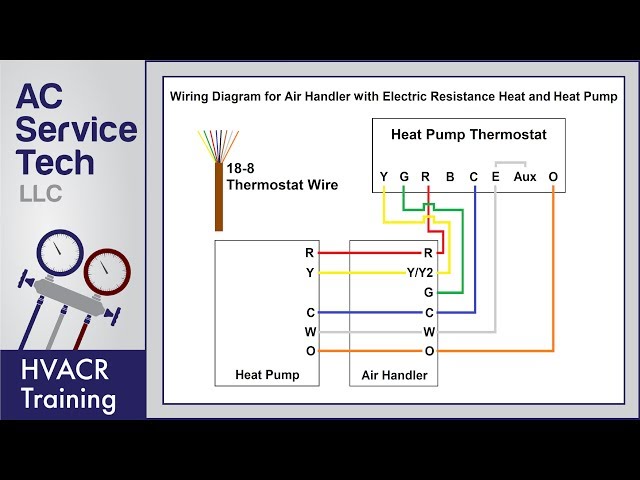
A thermostat wiring heat pump chart or diagram is a visual representation of the electrical connections between a thermostat and a heat pump. It can be used to troubleshoot problems with the system or to install a new thermostat. To create a thermostat wiring heat pump chart or diagram, you will need to know the following information:
- The make and model of the thermostat
- The make and model of the heat pump
- The type of wiring used in the system (e.g., 120V, 240V)
Once you have this information, you can follow these steps to create a thermostat wiring heat pump chart or diagram:
- Draw a simple diagram of the system, including the thermostat, heat pump, and any other components.
- Label each of the terminals on the thermostat and heat pump.
- Draw lines between the terminals to indicate the electrical connections.
- Label each of the wires with the appropriate voltage and type.
Here are some examples of thermostat wiring heat pump charts and diagrams:
- 120V Heat Pump Wiring Diagram
- 240V Heat Pump Wiring Diagram
- Honeywell Thermostat Wiring Diagram
- Nest Thermostat Wiring Diagram
Thermostat wiring heat pump charts and diagrams can be a valuable tool for troubleshooting and installing heat pumps. By following the steps above, you can create a chart or diagram that is specific to your system.
Here are some of the benefits of using a thermostat wiring heat pump chart or diagram:
- Can help you troubleshoot problems with your heat pump system
- Can help you install a new thermostat
- Can help you understand how your heat pump system works
If you are having trouble with your heat pump system, or if you are planning to install a new thermostat, I recommend that you create a thermostat wiring heat pump chart or diagram. It can be a valuable tool for troubleshooting and installing heat pumps.
Thermostat Wiring Heat Pump
Thermostat wiring heat pumps are essential for maintaining a comfortable indoor temperature. They allow you to control the temperature of your home from a central location, and they can also help you save energy.
- Electrical: The electrical connections between the thermostat and the heat pump must be made correctly in order for the system to function properly.
- Compatibility: The thermostat and the heat pump must be compatible with each other. This means that they must be able to communicate with each other and that they must be able to operate together.
- Location: The thermostat should be located in a central location in your home where it can accurately measure the temperature.
- Programming: The thermostat can be programmed to automatically adjust the temperature of your home throughout the day.
- Efficiency: A properly installed and programmed thermostat can help you save energy and money on your heating and cooling bills.
- Maintenance: Thermostats require regular maintenance to ensure that they are functioning properly.
- Troubleshooting: If you are having problems with your thermostat, you can troubleshoot the problem by checking the electrical connections, the compatibility of the thermostat and the heat pump, and the location of the thermostat.
These are just a few of the key aspects of thermostat wiring heat pumps. By understanding these aspects, you can ensure that your heat pump system is functioning properly and that you are getting the most out of your investment.
Electrical
The electrical connections between the thermostat and the heat pump are essential for the system to function properly. If the connections are not made correctly, the thermostat will not be able to control the heat pump, and the system will not be able to maintain the desired temperature in the home. In some cases, incorrect electrical connections can even damage the thermostat or the heat pump.
-
Components
The electrical connections between the thermostat and the heat pump are made using a variety of components, including wires, terminals, and connectors. The wires carry the electrical current from the thermostat to the heat pump, and the terminals and connectors provide a secure connection between the wires and the thermostat and heat pump.
-
Examples
There are many different types of electrical connections that can be used to connect a thermostat to a heat pump. The most common type of connection is a direct wire connection, which uses wires to connect the thermostat directly to the heat pump. Other types of connections include wireless connections and low-voltage connections.
-
Implications
The electrical connections between the thermostat and the heat pump have a significant impact on the performance of the system. If the connections are not made correctly, the thermostat will not be able to control the heat pump effectively, and the system will not be able to maintain the desired temperature in the home. In some cases, incorrect electrical connections can even damage the thermostat or the heat pump.
It is important to have the electrical connections between the thermostat and the heat pump checked by a qualified electrician to ensure that they are made correctly. A qualified electrician can also help you troubleshoot any problems that you may be having with your thermostat or heat pump.
Compatibility
In order for a thermostat wiring heat pump system to function properly, the thermostat and the heat pump must be compatible with each other. This means that they must be able to communicate with each other and that they must be able to operate together.
-
Communication
The thermostat and the heat pump must be able to communicate with each other in order to exchange information about the desired temperature and the current temperature. This communication is typically done using a low-voltage wire or a wireless connection.
-
Operation
The thermostat and the heat pump must be able to operate together in order to maintain the desired temperature in the home. The thermostat will send a signal to the heat pump when the temperature changes, and the heat pump will respond by turning on or off.
-
Compatibility Issues
There are a number of factors that can affect the compatibility of a thermostat and a heat pump. These factors include the voltage of the system, the type of wiring used, and the communication protocol. If the thermostat and the heat pump are not compatible, the system will not be able to function properly.
-
Resolving Compatibility Issues
If you are having problems with the compatibility of your thermostat and heat pump, there are a few things that you can do. First, check the voltage of the system and the type of wiring used. Second, check the communication protocol of the thermostat and the heat pump. Finally, you may need to contact a qualified electrician to help you resolve the issue.
By ensuring that the thermostat and the heat pump are compatible, you can ensure that your system is functioning properly and that you are getting the most out of your investment.
Location
The location of the thermostat is an important factor in the accuracy of the temperature measurement. A thermostat that is located in a central location in the home will be able to more accurately measure the average temperature of the home. This is important because the thermostat uses this information to determine when to turn on or off the heat pump.
If the thermostat is located in a location that is not central, it may not be able to accurately measure the temperature of the home. For example, if the thermostat is located in a sunny room, it may measure a higher temperature than the rest of the home. This could cause the heat pump to turn off prematurely, even though the rest of the home is still cold.
Conversely, if the thermostat is located in a cold room, it may measure a lower temperature than the rest of the home. This could cause the heat pump to run longer than necessary, which could waste energy and money.
Therefore, it is important to choose a central location for the thermostat in order to ensure that it is accurately measuring the temperature of the home. This will help to ensure that the heat pump is operating efficiently and effectively.
Programming
The programming feature of a thermostat is an important component of a thermostat wiring heat pump system. By allowing you to program the thermostat to automatically adjust the temperature of your home throughout the day, you can save energy and money on your heating and cooling bills.
For example, you can program the thermostat to lower the temperature at night when you are sleeping and raise the temperature in the morning when you wake up. You can also program the thermostat to adjust the temperature based on the time of day, the day of the week, and even the weather forecast.
By programming the thermostat to automatically adjust the temperature, you can ensure that your home is always comfortable, even when you are away. This can lead to significant energy savings, as the heat pump will not be running unnecessarily.
In addition, programming the thermostat can help to extend the life of your heat pump. By reducing the number of times that the heat pump turns on and off, you can reduce the wear and tear on the system.
Overall, the programming feature of a thermostat is an important component of a thermostat wiring heat pump system. By allowing you to program the thermostat to automatically adjust the temperature of your home throughout the day, you can save energy and money, and extend the life of your heat pump.
Efficiency
A properly installed and programmed thermostat is an important part of a thermostat wiring heat pump system. By automatically adjusting the temperature of your home throughout the day, a programmable thermostat can help you save energy and money on your heating and cooling bills.
-
Optimal Temperature Settings
A programmable thermostat allows you to set different temperature settings for different times of the day. For example, you can set the temperature to be lower at night when you are sleeping and higher during the day when you are home. This can help you save energy because the heat pump will not be running as much.
-
Energy-Saving Modes
Many programmable thermostats have energy-saving modes that can help you save even more energy. For example, some thermostats have a “vacation mode” that you can set when you are away from home. This mode will automatically adjust the temperature to a lower setting to save energy.
-
Remote Access
Some programmable thermostats can be controlled remotely using a smartphone app. This allows you to adjust the temperature of your home from anywhere, which can be helpful if you forget to adjust the thermostat before you leave the house.
-
Usage Tracking
Some programmable thermostats have usage tracking features that can help you see how much energy you are using. This information can help you identify areas where you can save energy.
Overall, a properly installed and programmed thermostat can help you save energy and money on your heating and cooling bills. By taking the time to learn how to use your thermostat effectively, you can make your home more comfortable and energy-efficient.
Maintenance
Thermostats are an essential part of any thermostat wiring heat pump system. They allow you to control the temperature of your home, and they can also help you save energy. However, thermostats require regular maintenance to ensure that they are functioning properly.
One of the most important maintenance tasks is to clean the thermostat. Dust and dirt can build up on the thermostat over time, which can interfere with its operation. To clean the thermostat, simply use a soft cloth to wipe away any dust or dirt. You should also check the thermostat’s batteries regularly and replace them if they are low.
In addition to cleaning the thermostat, you should also check the wiring regularly. Loose or damaged wires can cause the thermostat to malfunction. If you find any loose or damaged wires, you should tighten or replace them immediately.
Regular maintenance is essential for ensuring that your thermostat is functioning properly. By following these simple maintenance tips, you can help to extend the life of your thermostat and keep your home comfortable.
Troubleshooting
The troubleshooting process for a thermostat wiring heat pump system involves checking the electrical connections, the compatibility of the thermostat and the heat pump, and the location of the thermostat. These factors are all essential for the proper functioning of the system.
- Electrical connections: The electrical connections between the thermostat and the heat pump must be secure and correct. Loose or damaged wires can cause the system to malfunction.
- Compatibility: The thermostat and the heat pump must be compatible with each other. This means that they must be able to communicate with each other and that they must be able to operate together.
- Location: The thermostat should be located in a central location in the home where it can accurately measure the temperature. A thermostat that is located in a location that is not central may not be able to accurately measure the temperature of the home, which could lead to the system not functioning properly.
By troubleshooting the electrical connections, the compatibility of the thermostat and the heat pump, and the location of the thermostat, you can help to ensure that your thermostat wiring heat pump system is functioning properly.
Here are some examples of troubleshooting tips that you can use:
- If your thermostat is not turning on, check the electrical connections to make sure that they are secure. You should also check the batteries in the thermostat to make sure that they are not dead.
- If your thermostat is not communicating with the heat pump, check the compatibility of the thermostat and the heat pump. You should also check the wiring between the thermostat and the heat pump to make sure that it is not damaged.
- If your thermostat is not accurately measuring the temperature, check the location of the thermostat. The thermostat should be located in a central location in the home where it can accurately measure the temperature.
By following these troubleshooting tips, you can help to ensure that your thermostat wiring heat pump system is functioning properly and that your home is comfortable.
A thermostat wiring heat pump system is a central part of any home’s heating and cooling system. It allows you to control the temperature of your home from a central location, and it can also help you save energy. A thermostat wiring heat pump system consists of a thermostat, a heat pump, and a series of wires that connect the two. The thermostat is responsible for sensing the temperature of your home and sending a signal to the heat pump to turn on or off. The heat pump then uses this signal to adjust the temperature of your home.
Thermostat wiring heat pump systems are becoming increasingly popular because they are energy-efficient and convenient. They can help you save money on your energy bills, and they can also make your home more comfortable. If you are considering installing a thermostat wiring heat pump system in your home, be sure to consult with a qualified HVAC technician to ensure that the system is installed properly.
Here are some of the benefits of using a thermostat wiring heat pump system:
- Energy efficiency: Thermostat wiring heat pump systems are very energy-efficient. They can help you save money on your energy bills by reducing the amount of energy that your home uses to heat and cool itself.
- Convenience: Thermostat wiring heat pump systems are very convenient. They allow you to control the temperature of your home from a central location, and they can also be programmed to automatically adjust the temperature throughout the day.
- Comfort: Thermostat wiring heat pump systems can help to make your home more comfortable. They can help to maintain a consistent temperature throughout your home, and they can also be used to create different temperature zones in your home.
Frequently Asked Questions About Thermostat Wiring Heat Pumps
Thermostat wiring heat pumps are a popular way to heat and cool homes. They are efficient, convenient, and can help to improve indoor air quality. However, there are some common questions that people have about thermostat wiring heat pumps. Here are six of the most frequently asked questions:
Question 1: How do thermostat wiring heat pumps work?
Answer: Thermostat wiring heat pumps work by using a refrigerant to transfer heat from one place to another. In the summer, the heat pump will absorb heat from the inside of your home and transfer it to the outside. In the winter, the heat pump will absorb heat from the outside of your home and transfer it to the inside.
Question 2: Are thermostat wiring heat pumps energy-efficient?
Answer: Yes, thermostat wiring heat pumps are very energy-efficient. They can help you save money on your energy bills by reducing the amount of energy that your home uses to heat and cool itself.
Question 3: Are thermostat wiring heat pumps expensive to install?
Answer: The cost of installing a thermostat wiring heat pump will vary depending on the size of your home and the complexity of the installation. However, thermostat wiring heat pumps are typically less expensive to install than other types of heating and cooling systems.
Question 4: How long do thermostat wiring heat pumps last?
Answer: Thermostat wiring heat pumps typically last for 10-15 years. However, with proper maintenance, they can last even longer.
Question 5: What are the benefits of using a thermostat wiring heat pump?
Answer: Thermostat wiring heat pumps offer a number of benefits, including:
- Energy efficiency
- Convenience
- Improved indoor air quality
- Durability
- Affordability
Question 6: What are the different types of thermostat wiring heat pumps?
Answer: There are two main types of thermostat wiring heat pumps: air-source heat pumps and geothermal heat pumps. Air-source heat pumps use the outside air to heat and cool your home, while geothermal heat pumps use the earth’s heat to heat and cool your home.
These are just a few of the most frequently asked questions about thermostat wiring heat pumps. If you have any other questions, please consult with a qualified HVAC technician.
Thermostat wiring heat pumps are a great way to heat and cool your home efficiently and affordably. If you are considering installing a thermostat wiring heat pump in your home, be sure to do your research and choose a qualified HVAC technician to install it.
Conclusion
Thermostat wiring heat pumps are an efficient and cost-effective way to heat and cool your home. They offer a number of benefits, including energy efficiency, convenience, and improved indoor air quality. If you are considering installing a thermostat wiring heat pump in your home, be sure to do your research and choose a qualified HVAC technician to install it.
The future of thermostat wiring heat pumps is bright. As technology continues to improve, thermostat wiring heat pumps will become even more efficient and affordable. This will make them an even more attractive option for homeowners who are looking for a way to heat and cool their homes in a sustainable and cost-effective way.
Youtube Video: