 Eckhard Ranulf Walter
Wiring 4 Way Switch Diagram
A 4-way switch is a type of electrical switch that is used to control a light or other electrical device from multiple locations. Wiring a 4-way switch can be a bit more complicated than wiring a standard switch, but it is not difficult if you follow the steps carefully.
To wire a 4-way switch, you will need the following tools and materials:
- 4-way switch
- Electrical wire
- Wire strippers
- Screwdriver
- Electrical tape
Once you have gathered your tools and materials, you can follow these steps to wire a 4-way switch:
- Turn off the power to the circuit that you will be working on.
- Remove the faceplate from the existing switch.
- Disconnect the wires from the existing switch.
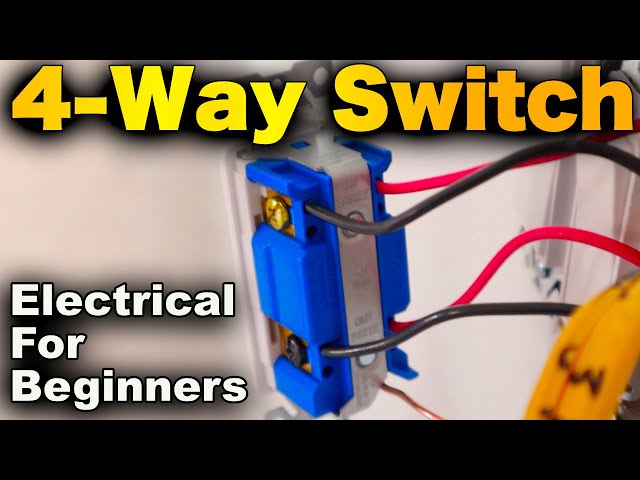
- Connect the wires to the new 4-way switch according to the diagram below.
- Secure the 4-way switch in the electrical box.
- Replace the faceplate.
- Turn on the power to the circuit.
- Test the 4-way switch to make sure that it is working properly.
Wiring a 4-way switch can be a bit tricky, but it is not impossible. If you follow the steps carefully, you should be able to wire a 4-way switch without any problems.
Here are some of the benefits of using a 4-way switch:
- 4-way switches allow you to control a light or other electrical device from multiple locations.
- 4-way switches are relatively easy to install.
- 4-way switches are a great way to add convenience and flexibility to your home.
If you are looking for a way to control a light or other electrical device from multiple locations, then a 4-way switch is a great option.
Wiring 4 Way Switch
Wiring a 4-way switch involves understanding its components, functionality, and electrical connections. Here are seven key aspects to consider:
- Components: Switch, electrical wires, wire strippers, screwdriver, electrical tape
- Function: Controls lighting from multiple locations
- Wiring: Complex connections involving travelers and common wires
- Safety: Requires turning off power before handling wires
- Tools: Basic electrical tools and safety gear
- Diagram: Essential for proper wiring and troubleshooting
- Troubleshooting: Identifying and resolving common switch issues
These aspects highlight the technical nature of wiring a 4-way switch. Understanding the components, function, and wiring allows for safe and effective installation. Moreover, having a diagram on hand simplifies the process and eases troubleshooting. By considering these essential aspects, individuals can confidently tackle the task of wiring a 4-way switch, enhancing convenience and control in their electrical systems.
Components
In the context of wiring a 4-way switch, these components play crucial roles:
- 4-Way Switch: The central component that facilitates switching from multiple locations.
- Electrical Wires: Conductors that carry electrical current between the switch, light fixture, and power source.
- Wire Strippers: Used to remove insulation from electrical wires, enabling proper connections.
- Screwdriver: Secures the switch to the electrical box and tightens wire connections.
- Electrical Tape: Insulates and protects electrical connections, preventing short circuits.
These components work together to establish a functional 4-way switch circuit. The switch controls the flow of electricity to the light fixture, allowing for convenient lighting control from various points.
Function
The ability to control lighting from multiple locations is a key feature of a 4-way switch. This function is achieved through specific wiring configurations that allow for independent control from different points.
- Independent Control: A 4-way switch circuit grants independent control over lighting from multiple switch locations. Each switch operates independently, allowing users to turn the light on or off from any of the switch points.
- Multiple Control Points: The primary advantage of a 4-way switch is the ability to control lighting from more than two locations. This is particularly useful in areas like hallways, staircases, and large rooms where multiple access points exist.
- Intermediate Switches: In a 4-way switch circuit, intermediate switches are used in conjunction with the main 4-way switches. These intermediate switches provide additional control points without affecting the functionality of the main switches.
- Wiring Configuration: The wiring configuration of a 4-way switch circuit involves connecting the switches in a specific loop, utilizing traveler wires and common wires. This unique wiring allows for independent control from multiple locations.
In summary, the function of controlling lighting from multiple locations is a defining characteristic of a 4-way switch. This function is achieved through specific wiring configurations that provide independent control from multiple switch points.
Wiring
Wiring a 4-way switch involves complex connections using traveler and common wires. These wires play crucial roles in establishing the circuit that enables lighting control from multiple locations.
- Traveler Wires: In a 4-way switch circuit, traveler wires are used to connect the 4-way switches. These wires carry the electrical current between the switches, allowing for independent control from different locations.
- Common Wires: Common wires serve as the connection between the power source and the light fixture. They provide a continuous path for the electrical current to flow, completing the circuit.
The connections between traveler and common wires are what make the 4-way switch circuit unique. The specific wiring configuration allows for the independent control of lighting from multiple switch points. Without these complex connections, the 4-way switch would not function as intended.
Understanding the connections between traveler and common wires is essential for properly wiring a 4-way switch. Incorrect wiring can lead to malfunctions or safety hazards. By carefully following wiring diagrams and using the appropriate techniques, electricians can ensure that the 4-way switch circuit operates safely and effectively.
In summary, the complex connections involving traveler and common wires are fundamental to the operation of a 4-way switch. These wires enable independent lighting control from multiple locations, making them an essential component of 4-way switch circuits.
Safety
When working with electrical systems, safety should always be the top priority. This includes taking the necessary precautions before handling wires, especially when wiring a 4-way switch.
- Electrical Hazards: Electricity can be extremely dangerous, and working on live wires poses a significant risk of electric shock or electrocution. Turning off the power before handling wires eliminates this hazard, ensuring the safety of the individual performing the work.
- Short Circuits and Fires: Working on live wires can also lead to short circuits, which can damage electrical components or even start fires. Turning off the power prevents these hazards by isolating the circuit and preventing the flow of electricity.
- Building Codes and Regulations: In many areas, electrical codes and regulations require that the power be turned off before working on electrical systems. This is to ensure the safety of both the individual performing the work and others in the vicinity.
- Insurance Coverage: Some insurance policies may require that electrical work be performed by a licensed electrician and in accordance with safety regulations. Turning off the power before handling wires is a basic safety measure that can help individuals avoid insurance issues.
In summary, turning off the power before handling wires is a crucial safety measure when wiring a 4-way switch. It eliminates electrical hazards, prevents short circuits and fires, complies with building codes and regulations, and ensures insurance coverage. By following this safety protocol, individuals can minimize the risks associated with electrical work and protect themselves and others from harm.
Tools
In the context of wiring a 4-way switch, basic electrical tools and safety gear play an indispensable role in ensuring the safe and efficient completion of the task. These tools and gear are not merely accessories but essential components that contribute to the overall success of the wiring process.
The proper selection and use of basic electrical tools, such as wire strippers, screwdrivers, and electrical tape, are crucial for establishing secure and reliable electrical connections. Wire strippers enable precise removal of insulation from electrical wires, allowing for clean and efficient connections. Screwdrivers facilitate the secure tightening of electrical terminals and the attachment of the switch to the electrical box. Electrical tape provides insulation and protection to exposed wires, preventing short circuits and ensuring the safe operation of the switch.
Moreover, the use of safety gear, including insulated gloves and safety glasses, is paramount to safeguard against potential electrical hazards. Insulated gloves protect the individual from electrical shock, while safety glasses shield the eyes from flying debris or sparks that may arise during the wiring process. By adhering to proper safety protocols and utilizing the appropriate tools and gear, individuals can minimize the risks associated with electrical work and ensure a safe and successful wiring experience.
In summary, basic electrical tools and safety gear are indispensable components of wiring a 4-way switch. These tools and gear enable the safe and efficient execution of the task, ensuring secure electrical connections and minimizing the risks associated with electrical work.
Diagram
In the context of wiring a 4-way switch, a diagram serves as an indispensable tool that provides a visual representation of the electrical connections required for proper functioning. Its importance stems from the complexity of the wiring process, which involves connecting multiple wires and switches in a specific configuration.
A well-crafted diagram acts as a roadmap, guiding the electrician through the wiring process. It outlines the connections between the 4-way switch, traveler wires, common wires, and the light fixture, ensuring that each component is correctly integrated into the circuit. By adhering to the diagram, electricians can avoid errors and ensure that the switch operates as intended.
Furthermore, a diagram is crucial for troubleshooting purposes. When a 4-way switch malfunctions, the diagram enables electricians to quickly identify potential issues by visually inspecting the connections and tracing the flow of electricity. This expedites the troubleshooting process, allowing for prompt repairs and restoration of lighting functionality.
In summary, a diagram is an essential component of wiring a 4-way switch. It provides a clear visual representation of the electrical connections, guiding the electrician through the wiring process and facilitating troubleshooting efforts. By utilizing a diagram, electricians can ensure the proper functioning and longevity of the 4-way switch, enhancing the safety and convenience of electrical systems.
Troubleshooting
Troubleshooting is an essential aspect of wiring a 4-way switch, as it enables electricians to identify and resolve common switch issues that may arise during installation or operation. These issues can range from minor inconveniences to potential safety hazards, and timely troubleshooting is crucial for ensuring the proper functioning and longevity of the electrical system.
One common issue is incorrect wiring, which can lead to the switch malfunctioning or failing to control the light fixture. By carefully following a wiring diagram and verifying the connections, electricians can identify and correct any errors in the wiring, ensuring that the switch operates as intended.
Another common issue is loose connections, which can occur over time due to vibration or wear and tear. Loose connections can cause intermittent operation of the switch or even complete failure. Troubleshooting involvesing the tightness of all electrical connections and making adjustments as necessary to ensure a secure and reliable connection.
In summary, troubleshooting is an integral part of wiring a 4-way switch, as it allows electricians to identify and resolve common switch issues that may affect the functionality and safety of the electrical system. By understanding the potential issues and employing effective troubleshooting techniques, electricians can ensure the proper operation and longevity of the 4-way switch, providing reliable lighting control in residential and commercial settings.
Wiring a 4-way switch is a technique used in electrical systems to control a single light fixture or appliance from multiple locations. It involves connecting four switches in a specific configuration, allowing for convenient and versatile lighting control in various settings.
The primary benefit of a 4-way switch is the ability to control lighting from different points within a room or even from different floors of a building. This enhanced control offers convenience, safety, and energy efficiency. Historically, 4-way switches have been used in large homes, commercial buildings, and public spaces to provide flexible lighting control.
To fully understand wiring a 4-way switch, it’s essential to delve into its components, wiring diagrams, and troubleshooting techniques. These aspects will be explored in detail in the following sections, providing a comprehensive guide to this electrical technique.
FAQs on Wiring a 4-Way Switch
Wiring a 4-way switch is a common electrical task that requires careful planning and execution to ensure proper functionality and safety. Here are some frequently asked questions (FAQs) to address common concerns or misconceptions surrounding this electrical technique:
Question 1: What is the purpose of a 4-way switch?
A 4-way switch is used to control a single light fixture or appliance from multiple locations. It is commonly employed in large homes, commercial buildings, and public spaces to provide convenient and versatile lighting control.
Question 2: How does a 4-way switch work?
A 4-way switch operates on the principle of completing or interrupting the electrical circuit at different points. The switch has four terminals, and when the switch is toggled, it changes the connection between these terminals, thereby controlling the flow of electricity to the light fixture.
Question 3: What is the difference between a 3-way switch and a 4-way switch?
A 3-way switch allows for control of a light fixture from two locations, while a 4-way switch provides control from three or more locations. The 4-way switch has an additional terminal and a more complex wiring configuration compared to a 3-way switch.
Question 4: Can I install a 4-way switch myself?
While it is possible to install a 4-way switch yourself, it is recommended to consult a licensed electrician if you are not familiar with electrical work. Improper installation can pose safety hazards and may damage the electrical system.
Question 5: What tools and materials do I need to wire a 4-way switch?
To wire a 4-way switch, you will need the following tools and materials: 4-way switch, electrical wires, wire strippers, screwdriver, electrical tape, and a wiring diagram.
Question 6: Where can I find a wiring diagram for a 4-way switch?
Wiring diagrams for 4-way switches can be found online, in electrical supply stores, or in the manufacturer’s instructions included with the switch. It is important to follow the wiring diagram carefully to ensure proper installation.
These FAQs provide essential information on wiring a 4-way switch. If you encounter any difficulties during the installation process, it is advisable to seek professional assistance from a qualified electrician.
Transitioning to the next section of this article on wiring a 4-way switch…
Conclusion
Wiring a 4-way switch is a practical electrical technique that enhances lighting control and convenience in various settings. This article has explored the essential aspects of wiring a 4-way switch, including its components, wiring diagrams, and troubleshooting methods.
By understanding the principles and following the guidelines outlined in this article, electricians and DIY enthusiasts can successfully install and maintain 4-way switch systems. Proper wiring ensures the safe and efficient operation of lighting fixtures, providing flexibility and control over lighting environments.
The ability to control lighting from multiple locations not only adds convenience but also promotes energy efficiency. With careful planning and execution, wiring a 4-way switch can significantly improve the functionality and ambiance of any space.
Youtube Video: