 Eckhard Ranulf Walter
Electrical Wiring Switch to Outlet Chart and Diagram
Electrical wiring is a critical part of any home or office. It provides power to outlets, lights, and appliances. When it comes to wiring a switch to an outlet, there are a few things you need to keep in mind. This chart and diagram will help you understand the steps involved in wiring a switch to an outlet.
Chart Examples of “Electrical Wiring Switch to Outlet”
- Single-pole switch: This is the most common type of switch used to control a single light or outlet. It has two terminals, one for the power supply and one for the light or outlet.
- Double-pole switch: This type of switch is used to control two lights or outlets. It has four terminals, two for the power supply and two for the lights or outlets.
- Three-way switch: This type of switch is used to control a light or outlet from two different locations. It has three terminals, one for the power supply and two for the two different locations.
Steps to Create a Wiring Diagram for “Electrical Wiring Switch to Outlet”
- Draw a simple diagram of the room or area where you will be installing the switch and outlet.
- Mark the location of the switch and outlet on the diagram.
- Draw the wires that will connect the switch to the outlet.
- Label the wires with their corresponding colors.
- Use the chart above to determine which type of switch you need.
- Follow the manufacturer’s instructions to wire the switch.
Benefits of Using a Wiring Diagram
- Wiring diagrams can help you to visualize the electrical system in your home or office.
- They can help you to identify potential problems.
- They can save you time and money by helping you to avoid mistakes.
Conclusion
Wiring a switch to an outlet is a relatively simple task, but it is important to do it correctly. By following the steps outlined in this article, you can create a wiring diagram that will help you to complete the job safely and efficiently.
Electrical Wiring
Electrical wiring is a crucial aspect of any electrical system, and understanding the process of wiring a switch to an outlet is essential for both safety and functionality. Here are six key aspects to consider when undertaking this task:
- Circuit: The electrical circuit provides the path for electricity to flow from the power source to the switch and outlet.
- Switch: The switch controls the flow of electricity to the outlet, allowing you to turn it on and off.
- Outlet: The outlet provides a connection point for electrical devices to access power.
- Wiring: The electrical wiring connects the switch to the outlet, completing the circuit.
- Safety: Proper wiring techniques and safety precautions are paramount to prevent electrical hazards.
- Codes: Adhering to electrical codes ensures compliance with safety standards and regulations.
These aspects are interconnected and essential for a functional and safe electrical system. For instance, the circuit provides the necessary power, while the switch allows for control and the outlet serves as the access point. Proper wiring techniques ensure a reliable connection, and safety measures protect against electrical hazards. Understanding and following electrical codes guarantee compliance with regulations and contribute to overall safety.
Circuit
In the context of electrical wiring switch to outlet, the circuit plays a fundamental role by establishing the pathway for electricity to flow. Without a complete circuit, the switch and outlet would be ineffective, as electricity would not be able to reach the outlet to power devices.
- Components: The circuit consists of various components, including wires, circuit breakers, and electrical panels, which work together to provide a continuous path for electricity to flow.
- Real-life examples: In a household electrical system, the circuit originates from the main electrical panel, where electricity enters the home. From there, it branches out to various circuits, each dedicated to specific areas or appliances.
- Implications: Understanding the circuit is crucial for troubleshooting electrical problems. If a switch or outlet is not functioning, it could be due to a break or fault in the circuit.
In summary, the circuit is an essential aspect of electrical wiring switch to outlet, as it provides the necessary infrastructure for electricity to flow effectively and safely.
Switch
In the context of electrical wiring switch to outlet, the switch plays a central role in controlling the flow of electricity to the outlet. This seemingly simple component enables us to conveniently turn devices on and off, but there’s more to the switch than meets the eye.
- Types of Switches: Switches come in various types, including single-pole, double-pole, and three-way switches. Each type is designed for specific electrical configurations and applications.
- Mechanism: Inside the switch, a mechanical mechanism interrupts or completes the electrical circuit, allowing electricity to flow to the outlet or stopping it.
- Real-life Examples: In a household setting, switches are ubiquitous, controlling lights, fans, and other appliances. They provide convenient control over electrical devices.
- Implications: Understanding the switch’s function is crucial for troubleshooting electrical issues. If an outlet is not working, the switch may be faulty and require replacement.
In summary, the switch in electrical wiring switch to outlet is a critical component that provides control over the flow of electricity to the outlet. Its types, mechanism, real-life applications, and implications highlight its importance in electrical systems.
Outlet
In the context of electrical wiring switch to outlet, the outlet serves as a critical component, providing a connection point for electrical devices to access power. This seemingly simple component plays a vital role in the functionality and safety of electrical systems.
- Connection Point: The outlet provides a standardized and safe interface for electrical devices to connect to the electrical system. It establishes a physical and electrical connection, allowing devices to draw power.
- Real-life Examples: Outlets are ubiquitous in homes, offices, and commercial buildings, providing access to power for various devices, from lamps and computers to kitchen appliances and industrial machinery.
- Safety: Outlets are designed with safety features such as grounded terminals and protective covers to prevent electrical shocks and hazards.
- Implications: Understanding the role of the outlet is crucial for proper installation, maintenance, and troubleshooting of electrical systems. A faulty or improperly installed outlet can pose safety risks.
In summary, the outlet is a fundamental component of electrical wiring switch to outlet, providing a safe and standardized connection point for electrical devices to access power. Its importance lies in its functionality, safety features, and implications for the overall electrical system.
Wiring
In the context of electrical wiring switch to outlet, the wiring plays a crucial role in completing the electrical circuit, allowing electricity to flow from the power source to the outlet. Without proper wiring, the switch and outlet would be ineffective, as electricity would not be able to reach the outlet to power devices.
The electrical wiring consists of insulated conductors, typically copper wires, which connect the switch to the outlet. These wires are carefully routed and secured to ensure a safe and reliable connection. The wiring must adhere to specific electrical codes and standards to maintain safety and prevent electrical hazards.
The importance of proper wiring cannot be overstated. Faulty wiring can lead to a range of problems, including power outages, electrical fires, and even electric shock. By understanding the role of wiring in electrical wiring switch to outlet, we can appreciate the importance of proper installation and maintenance to ensure the safe and efficient operation of electrical systems.
Safety
In the context of electrical wiring switch to outlet, safety is of utmost importance. Proper wiring techniques and safety precautions are essential to prevent electrical hazards and ensure the safe operation of electrical systems.
- Electrical Codes and Standards: Electrical codes and standards provide a framework for safe electrical installations. By adhering to these codes and standards, electricians can minimize the risk of electrical fires, shocks, and other hazards.
- Proper Wiring Techniques: Proper wiring techniques involve using the correct wire gauge, ensuring secure connections, and protecting wires from physical damage. These techniques help prevent overheating, short circuits, and other electrical problems.
- Safety Devices: Safety devices such as circuit breakers and fuses play a critical role in protecting electrical systems from overloads and faults. These devices are designed to trip or blow when excessive current flows, preventing damage to electrical components and reducing the risk of electrical fires.
- Grounding: Grounding provides a safe path for electrical current to flow in the event of a fault. Proper grounding helps prevent electrical shocks and ensures the safe operation of electrical equipment.
By understanding and implementing proper wiring techniques and safety precautions, we can significantly reduce the risk of electrical hazards and ensure the safe and reliable operation of electrical wiring switch to outlet systems.
Codes
In the context of electrical wiring switch to outlet, adhering to electrical codes is of paramount importance for ensuring the safety and reliability of the electrical system. Electrical codes are established sets of rules and regulations that govern the design, installation, and maintenance of electrical systems.
By adhering to electrical codes, electricians and homeowners can minimize the risk of electrical hazards, such as electrical fires, shocks, and equipment damage. Electrical codes address various aspects of electrical wiring, including the proper selection and installation of wires, switches, outlets, and other electrical components.
For example, electrical codes specify the minimum wire gauge that can be used for a given circuit, ensuring that the wire can safely carry the electrical current without overheating. Codes also mandate the use of proper grounding techniques to protect against electrical shocks and ensure the safe operation of electrical equipment.
Understanding the importance of adhering to electrical codes is crucial for anyone involved in electrical wiring switch to outlet projects. By following these codes, we can help ensure the safety and functionality of our electrical systems, protecting ourselves, our families, and our property from electrical hazards.
Electrical wiring switch to outlet refers to the electrical components and techniques used to connect a switch to an outlet, allowing for the control of electrical flow to the outlet. This involves running electrical wires from the switch to the outlet and installing the necessary components, such as the switch, outlet, and electrical box.
Electrical wiring switch to outlet is crucial for controlling the flow of electricity in homes, offices, and other buildings. It enables us to conveniently turn lights, appliances, and other electrical devices on and off, creating a safe and manageable electrical system. Historically, this wiring method has played a significant role in the development of electrical infrastructure, providing a standardized and efficient way to distribute electricity throughout buildings.
There are various types of switches and outlets used in electrical wiring switch to outlet, each designed for specific applications. Common types include single-pole switches, double-pole switches, three-way switches, and various outlet configurations. Understanding the different types and their applications is essential for proper installation and maintenance of electrical systems.
Electrical Wiring
Electrical wiring switch to outlet is a common electrical task that involves connecting a switch to an outlet, allowing for control of electrical flow to the outlet. This FAQ section addresses some common questions and concerns related to electrical wiring switch to outlet.
Question 1: What are the different types of switches used in electrical wiring switch to outlet?
Answer: There are various types of switches used in electrical wiring switch to outlet, including single-pole switches, double-pole switches, three-way switches, and dimmer switches. Each type is designed for specific applications and provides different levels of control over the electrical flow.
Question 2: What is the purpose of an electrical outlet?
Answer: An electrical outlet provides a connection point for electrical devices to access power. It establishes a safe and standardized interface for devices to draw electrical current and operate.
Question 3: How do I safely install an electrical switch or outlet?
Answer: Installing electrical switches and outlets requires proper knowledge and safety precautions. It is recommended to consult a qualified electrician to ensure safe and code-compliant installation.
Question 4: What are the common mistakes to avoid when wiring a switch to an outlet?
Answer: Common mistakes to avoid include using incorrect wire gauge, making loose connections, and not following electrical codes. These mistakes can lead to electrical hazards and malfunctioning of the electrical system.
Question 5: Why is it important to adhere to electrical codes when wiring a switch to an outlet?
Answer: Electrical codes provide safety guidelines and standards for electrical installations. Adhering to these codes ensures the safe operation of the electrical system, minimizes the risk of electrical hazards, and maintains compliance with regulations.
Question 6: What tools and materials are needed for electrical wiring switch to outlet?
Answer: Essential tools and materials include screwdrivers, pliers, wire strippers, electrical tape, and the necessary electrical components (switch, outlet, electrical box, wires).
Remember, electrical work can be hazardous and should be performed by qualified individuals. By understanding the basics of electrical wiring switch to outlet and following safety precautions, you can ensure the proper functioning and safety of your electrical system.
Next section: Understanding Electrical Circuits
Conclusion
Electrical wiring switch to outlet is a fundamental aspect of electrical systems, enabling us to control the flow of electricity to outlets conveniently. This article explored the various components, techniques, and safety considerations involved in electrical wiring switch to outlet.
From understanding the function of switches and outlets to the importance of proper wiring and adhering to electrical codes, we gained insights into the significance of safe and efficient electrical installations. By embracing best practices and seeking professional assistance when necessary, we can ensure the reliability, functionality, and safety of our electrical systems.
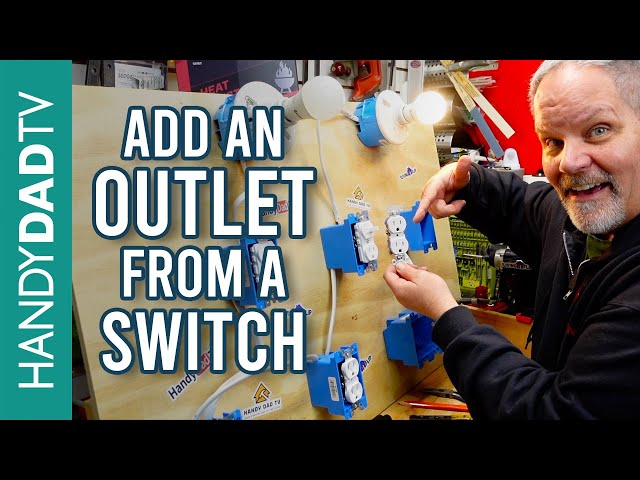
Youtube Video: