 Eckhard Ranulf Walter
7-Way Connector Wiring Diagrams
A 7-way connector is a type of electrical connector that is commonly used to connect a tow vehicle to a trailer. It has seven pins, each of which is responsible for a different function. The correct wiring of a 7-way connector is essential for ensuring that all of the trailer’s lights and other electrical components are functioning properly.
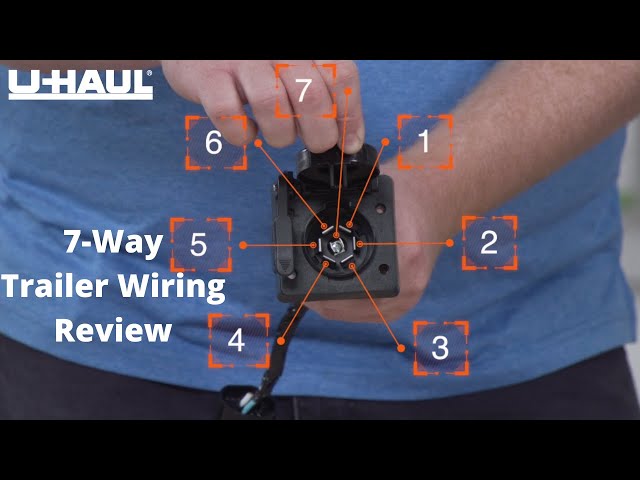
There are a few different ways to create a 7-way connector wiring diagram. One common method is to use a pinout diagram. A pinout diagram shows the location of each pin on the connector and the function that it serves. Another method is to use a wiring harness. A wiring harness is a pre-assembled set of wires that are connected to the appropriate pins on the connector. This can make the wiring process much easier and less time-consuming.
Here are some of the benefits of using a 7-way connector wiring diagram:
- Ensures that all of the trailer’s lights and other electrical components are functioning properly
- Makes the wiring process easier and less time-consuming
- Helps to prevent electrical problems
If you are not comfortable wiring a 7-way connector yourself, you can have it done by a qualified electrician.
7-Way Connector Wiring
7-way connector wiring is a critical component of towing a trailer. It is responsible for transmitting electrical signals between the tow vehicle and the trailer, ensuring that the trailer’s lights, brakes, and other electrical components are functioning properly.
- Connector: The physical plug that connects the tow vehicle and trailer.
- Wiring Harness: The bundle of wires that connects the connector to the trailer’s electrical components.
- Pinout: The diagram that shows the location and function of each pin on the connector.
- Ground: The electrical connection that provides a path for current to flow.
- Power: The electrical connection that provides power to the trailer’s electrical components.
- Signal: The electrical connection that transmits signals between the tow vehicle and the trailer.
- Circuit: The complete path of electrical current flow.
- Tester: A device used to test the continuity and functionality of the wiring.
These key aspects are all interconnected and essential for the proper functioning of a 7-way connector wiring system. For example, the connector must be properly connected to the wiring harness, and the wiring harness must be correctly connected to the trailer’s electrical components. The ground connection must be secure to provide a path for current to flow, and the power connection must be able to provide sufficient power to operate the trailer’s electrical components. The signal connection must be able to transmit signals between the tow vehicle and the trailer, and the circuit must be complete in order for current to flow.
By understanding these key aspects, you can ensure that your 7-way connector wiring system is properly installed and maintained, which will help to keep your trailer safe and operational.
Connector
The connector is the physical plug that connects the tow vehicle and trailer. It is a critical component of the 7-way connector wiring system, as it is responsible for transmitting electrical signals between the two vehicles. Without a properly functioning connector, the trailer’s lights, brakes, and other electrical components will not be able to operate.
There are a few different types of 7-way connectors, but they all have the same basic function. The connector on the tow vehicle is typically mounted on the bumper or frame, while the connector on the trailer is mounted on the tongue. When the two connectors are plugged together, they create a complete circuit that allows electrical current to flow between the two vehicles.
It is important to keep the connector clean and free of corrosion to ensure a good electrical connection. If the connector is damaged, it should be replaced immediately. A damaged connector can cause electrical problems, which can lead to safety hazards.
Here are some of the practical applications of understanding the connection between the connector and 7-way connector wiring:
- Troubleshooting electrical problems with the trailer
- Installing a new 7-way connector wiring system
- Maintaining the 7-way connector wiring system
By understanding the connection between the connector and 7-way connector wiring, you can ensure that your trailer is safe and operational.
Wiring Harness
The wiring harness is a critical component of a 7-way connector wiring system. It is responsible for transmitting electrical signals between the connector and the trailer’s electrical components, such as the lights, brakes, and turn signals. Without a properly functioning wiring harness, the trailer’s electrical components will not be able to operate.
- Components: The wiring harness consists of a bundle of wires, each of which is responsible for a different function. The wires are typically color-coded to make it easy to identify their function.
- Connection: The wiring harness is connected to the connector on one end and to the trailer’s electrical components on the other end. The connection is typically made using crimp connectors or solder.
- Function: The wiring harness transmits electrical signals between the connector and the trailer’s electrical components. This allows the trailer’s lights, brakes, and turn signals to function properly.
- Maintenance: The wiring harness should be inspected regularly for damage or corrosion. Any damaged wires should be repaired or replaced immediately.
By understanding the connection between the wiring harness and 7-way connector wiring, you can ensure that your trailer is safe and operational.
Pinout
A pinout is a critical component of 7-way connector wiring. It is a diagram that shows the location and function of each pin on the connector. This information is essential for ensuring that the 7-way connector is wired correctly, which is necessary for the proper functioning of the trailer’s lights, brakes, and other electrical components.
Pinouts are typically created by the manufacturer of the 7-way connector. They can be found in the connector’s documentation or on the manufacturer’s website. When using a pinout to wire a 7-way connector, it is important to pay attention to the following information:
- The pin number
- The function of the pin
- The wire color that is associated with the pin
By following the pinout carefully, you can ensure that the 7-way connector is wired correctly. This will help to prevent electrical problems and ensure that the trailer’s lights, brakes, and other electrical components are functioning properly.
Here are some practical examples of how understanding the connection between pinout and 7-way connector wiring can be beneficial:
- Troubleshooting electrical problems with the trailer
- Installing a new 7-way connector wiring system
- Maintaining the 7-way connector wiring system
By understanding the connection between pinout and 7-way connector wiring, you can ensure that your trailer is safe and operational.
Ground
In the context of 7-way connector wiring, the ground connection is essential for completing the electrical circuit and allowing current to flow. Without a proper ground connection, the trailer’s lights, brakes, and other electrical components will not be able to function properly.
- The role of the ground connection: The ground connection provides a path for current to flow back to the negative terminal of the battery. This completes the electrical circuit and allows the trailer’s electrical components to function properly.
- Examples of ground connections: The ground connection is typically made by connecting a wire from the negative terminal of the battery to the frame of the trailer. The frame of the trailer then acts as the ground for the electrical system.
- Implications for 7-way connector wiring: When wiring a 7-way connector, it is important to ensure that the ground connection is properly made. A poor ground connection can cause electrical problems, such as flickering lights or even a complete loss of power.
By understanding the connection between ground and 7-way connector wiring, you can ensure that your trailer’s electrical system is functioning properly and safely.
Power
In the context of 7-way connector wiring, the power connection is essential for providing electricity to the trailer’s lights, brakes, and other electrical components. Without a proper power connection, the trailer’s electrical components will not be able to function properly.
-
Title of Facet 1: The Role of the Power Connection
The power connection provides a path for electrical current to flow from the tow vehicle to the trailer. This current powers the trailer’s lights, brakes, and other electrical components.
-
Title of Facet 2: Examples of Power Connections
The power connection is typically made using a 12-volt wire. The wire is connected from the positive terminal of the battery on the tow vehicle to the positive terminal of the battery on the trailer.
-
Title of Facet 3: Implications for 7-Way Connector Wiring
When wiring a 7-way connector, it is important to ensure that the power connection is properly made. A poor power connection can cause electrical problems, such as flickering lights or even a complete loss of power.
By understanding the connection between power and 7-way connector wiring, you can ensure that your trailer’s electrical system is functioning properly and safely.
Signal
In the context of 7-way connector wiring, the signal connection is essential for transmitting electrical signals between the tow vehicle and the trailer. These signals allow the tow vehicle to control the trailer’s lights, brakes, and other electrical components.
-
Title of Facet 1: The Role of the Signal Connection
The signal connection provides a path for electrical signals to flow between the tow vehicle and the trailer. These signals are used to control the trailer’s lights, brakes, and other electrical components.
-
Title of Facet 2: Examples of Signal Connections
The signal connection is typically made using a 12-volt wire. The wire is connected from the signal output on the tow vehicle to the signal input on the trailer.
-
Title of Facet 3: Implications for 7-Way Connector Wiring
When wiring a 7-way connector, it is important to ensure that the signal connection is properly made. A poor signal connection can cause electrical problems, such as flickering lights or even a complete loss of communication between the tow vehicle and the trailer.
By understanding the connection between signal and 7-way connector wiring, you can ensure that your trailer’s electrical system is functioning properly and safely.
Circuit
In the context of 7-way connector wiring, the circuit is the complete path of electrical current flow. It includes the power source, the ground connection, the signal connection, and the load (the trailer’s electrical components). In order for the trailer’s electrical components to function properly, the circuit must be complete.
There are a few things that can disrupt the circuit and prevent electrical current from flowing. One common problem is a loose or damaged connection. Another problem is a short circuit, which occurs when two wires touch each other and create a path for current to flow that bypasses the load. Short circuits can cause electrical fires, so it is important to fix them as soon as possible.
By understanding the connection between circuit and 7-way connector wiring, you can ensure that your trailer’s electrical system is functioning properly and safely.
Tester
In the context of 7-way connector wiring, a tester is an essential tool for ensuring that the wiring is properly installed and functioning correctly. By using a tester, you can identify any breaks or faults in the wiring, which can prevent electrical problems and ensure the safety of your trailer.
-
Title of Facet 1: Types of Testers
There are a variety of different testers available, each with its own advantages and disadvantages. Some of the most common types of testers include:
- Multimeter: A multimeter is a versatile tool that can be used to measure voltage, current, and resistance. This makes it a good choice for troubleshooting electrical problems.
- Continuity tester: A continuity tester is a simple device that can be used to check for continuity in a circuit. This can be helpful for identifying breaks in the wiring.
- Circuit tester: A circuit tester is a more advanced tool that can be used to test the functionality of a complete circuit. This can be helpful for identifying problems with the trailer’s lights, brakes, or other electrical components.
-
Title of Facet 2: Using a Tester
Using a tester to test 7-way connector wiring is a relatively simple process. First, you need to identify the type of tester that you will be using and follow the manufacturer’s instructions for operation. Once you have the tester connected to the wiring, you can begin testing for continuity and functionality.
-
Title of Facet 3: Troubleshooting with a Tester
If you find any problems with the wiring using a tester, you will need to troubleshoot the problem and make the necessary repairs. This may involve replacing damaged wires, repairing loose connections, or cleaning corroded terminals.
-
Title of Facet 4: Importance of Regular Testing
It is important to test your 7-way connector wiring regularly to ensure that it is in good working condition. This can help to prevent electrical problems and keep your trailer safe on the road.
By understanding the connection between testers and 7-way connector wiring, you can ensure that your trailer’s electrical system is functioning properly and safely.
7-way connector wiring is an essential component of towing a trailer. It is a type of electrical connection that allows the tow vehicle to communicate with the trailer, providing power, ground, and signal connections. Without a properly functioning 7-way connector, the trailer’s lights, brakes, and other electrical components will not work.
7-way connector wiring is typically used for towing trailers that have electric brakes. The 7-way connector provides power to the trailer’s brakes, as well as ground and signal connections for the trailer’s lights, turn signals, and brake lights. 7-way connectors are also used for towing trailers that have other electrical components, such as refrigerators, air conditioners, or generators.
Installing 7-way connector wiring is a relatively simple process, but it is important to follow the manufacturer’s instructions carefully. Improperly installed wiring can lead to electrical problems, which can be dangerous. If you are not comfortable installing the wiring yourself, you can have it done by a qualified electrician.
7-way connector wiring is an important part of towing a trailer safely. By understanding the basics of 7-way connector wiring, you can ensure that your trailer is properly connected to your tow vehicle and that all of the trailer’s electrical components are functioning properly.
FAQs about 7-Way Connector Wiring
7-way connector wiring is an essential part of towing a trailer. It allows the tow vehicle to communicate with the trailer, providing power, ground, and signal connections. Without a properly functioning 7-way connector, the trailer’s lights, brakes, and other electrical components will not work.
Here are some of the most common questions about 7-way connector wiring:
Question 1: What is 7-way connector wiring?
7-way connector wiring is a type of electrical connection that allows the tow vehicle to communicate with the trailer. It provides power, ground, and signal connections for the trailer’s lights, brakes, and other electrical components.
Question 2: Why is 7-way connector wiring important?
7-way connector wiring is important because it allows the tow vehicle to control the trailer’s lights, brakes, and other electrical components. Without a properly functioning 7-way connector, the trailer’s electrical components will not work, which can be dangerous.
Question 3: How do I install 7-way connector wiring?
Installing 7-way connector wiring is a relatively simple process, but it is important to follow the manufacturer’s instructions carefully. Improperly installed wiring can lead to electrical problems, which can be dangerous. If you are not comfortable installing the wiring yourself, you can have it done by a qualified electrician.
Question 4: What are the different types of 7-way connectors?
There are two main types of 7-way connectors: round and flat. Round 7-way connectors are the most common type, and they are typically used for towing trailers that have electric brakes. Flat 7-way connectors are less common, and they are typically used for towing trailers that do not have electric brakes.
Question 5: How do I troubleshoot 7-way connector wiring?
If you are having problems with your 7-way connector wiring, there are a few things you can do to troubleshoot the problem. First, check the connection between the 7-way connector and the trailer. Make sure that the connector is properly plugged in and that the terminals are clean and free of corrosion. If the connection is good, then you can use a multimeter to test the continuity of the wires.
Question 6: How often should I inspect my 7-way connector wiring?
You should inspect your 7-way connector wiring at least once a year, or more often if you tow your trailer frequently. Look for any signs of damage, such as loose wires, broken connectors, or corrosion. If you find any damage, repair it immediately to prevent electrical problems.
By following these tips, you can ensure that your 7-way connector wiring is functioning properly and that your trailer is safe to tow.
For more information about 7-way connector wiring, please consult your trailer’s owner’s manual or speak to a qualified electrician.
Conclusion
7-way connector wiring is an essential component of towing a trailer safely. By understanding the basics of 7-way connector wiring, you can ensure that your trailer is properly connected to your tow vehicle and that all of the trailer’s electrical components are functioning properly.
In this article, we have explored the different aspects of 7-way connector wiring, including the types of connectors, the function of each wire, and how to troubleshoot problems. We have also provided some tips on how to maintain your 7-way connector wiring to ensure that it remains in good working condition.
We encourage you to learn more about 7-way connector wiring so that you can tow your trailer safely and confidently.
Youtube Video: